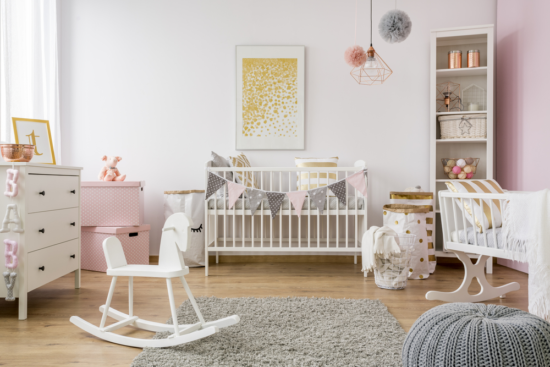
Designing a Low-Stress Smart Nursery: How Tech and Layout Enhance Infant Sleep Security
Posted on
**Collaborative post**
Preparing a dedicated room for a newborn is one of the most memorable milestones of early parenthood. However, between navigating endless product reviews, considering colour palettes, and learning the fundamentals of infant care, new parents can easily feel overwhelmed. The key to creating an inviting, tranquil space lies in balancing modern technology with practical room organisation. Integrating an advancedportable baby monitor alongside a well-thought-out floor plan allows caregivers to stay connected to their sleeping child without making frequent, unnecessary trips that might disrupt delicate sleep cycles. When modern tools are thoughtfully combined with safe sleep standards, the nursery becomes a peaceful sanctuary for the infant and a low-stress operational centre for parents.
A successful nursery design looks beyond aesthetics to prioritise functionality, sensory comfort, and long-term flexibility. By considering how spatial layout, environmental controls, and monitoring equipment work together, you can build an environment that fosters healthy sleep habits and gives your family total peace of mind.
1. Ergonomic Spatial Layout: The Operational Zones
When setting up a nursery, think of the room as a functional workspace where efficiency directly impacts your stress levels during late-night feedings and diaper changes. Organising the nursery into distinct activity zones reduces physical strain, prevents unnecessary clutter, and ensures that essential items are always within easy reach.
The Sleep Zone
The crib should serve as the focal point of the sleep zone, positioned thoughtfully away from structural hazards:
Keep Clear of Windows: Avoid placing the crib near windows where drafts, direct sunlight, and external noise can disrupt sleep, or where window coverings present safety hazards.
Avoid Overhead Hazards: Floating shelves, heavy picture frames, and wall-mounted art should never hang directly above or within reaching distance of the crib.
Maintain Clear Pathways: Ensure the path between the nursery door and the crib is completely clear of floor obstacles to prevent tripping during pitch-black nighttime check-ins.
The Changing and Care Zone
Diaper changes happen multiple times a night, making ergonomic design essential in this area:
Arm’s-Reach Storage: Diapers, wipes, rash creams, and extra swaddling blankets should be arranged so you never need to turn away or step away from the changing table while the infant is on the pad.
Hygiene and Waste: Position a covered diaper pail immediately adjacent to the changing station to keep odours contained and dispose of waste hands-free.
The Feeding and Comfort Zone
Nursing or bottle-feeding in the middle of the night requires a calm, supportive setup:
Ergonomic Seating: Choose a supportive glider or rocking chair with adequate lumbar and arm support to prevent neck and back fatigue.
Low-Level Lighting: Place a small, dimmable lamp or warm nightlight on a side table next to the feeding chair, keeping bright overhead lighting turned off to signal that it is still time for sleep.
2. Core Foundations of Infant Sleep Safety
While intelligent gadgets offer convenience, medical guidelines remain the foundation of any infant’s sleep environment. The American Academy of Paediatrics (AAP) provides clear rules to help mitigate safety risks during naps and overnight sleep.
The Safe Sleep Essentials
To ensure maximum safety for every sleep session, adhere to the established “ABC” guidelines:
Alone: The crib must be completely clear of loose items. Do not place pillows, quilts, heavy blankets, bumper pads, stuffed animals, or positioners inside the sleeping area.
Back: Always place infants flat on their backs for every sleep session. Back-sleeping keeps airways clear and reduces safety risks.
Crib: Use a safety-certified crib, bassinet, or portable play yard fitted with a firm, flat mattress and a tight-fitted sheet.
Selecting a Safe Mattress
Adult bedding prioritises plush comfort, but infants require firm support for proper spinal alignment and airway safety. Test a crib mattress by pressing firmly in the centre and along the edges; the surface should snap back immediately without leaving a deep impression. Ensure the fit within the crib frame is snug, leaving no more than a two-finger gap between the mattress edge and the crib side rails.
3. Integrating Tech Safely: Camera and Sensor Placement
Modern nursery gadgets are designed to reduce parental anxiety and streamline routines, but where and how you install them is critical for both safety and performance.
Safe Hardware Installation
Proper hardware mounting protects your child while maximising device functionality:
Maintain Safe Distances: Keep all electronic equipment, power adapters, and camera mounting hardware at least three feet (one meter) away from any edge of the crib to prevent reach hazards.
Secure All Cables: Trailing electrical cords present serious entanglement risks. Enclose loose cables inside rigid plastic wire covers or anchor them flush against the wall using cord clips.
Optimal Angles for Visibility: Mount camera units high on an adjacent wall to secure an unobstructed, top-down view of the entire mattress without placing hardware within the baby’s potential reach.
Utilizing Environmental Sensors
Many smart devices feature built-in ambient temperature and humidity sensors. Utilising these monitoring tools helps caregivers identify environmental factors—such as sudden temperature drops or overly dry air—that might wake an infant before they enter a full crying state.
4. Light and Sound Architecture: Optimising Sensory Inputs
During early infancy, babies develop their internal biological clock, or circadian rhythm. Regulating the sensory inputs of light and sound in the nursery helps accelerate this natural development, helping infants distinguish between daytime alertness and nighttime rest.
Controlling Natural and Artificial Light
Light is the primary environmental cue for regulating human sleep cycles:
Blackout Window Coverings: High-density blackout shades block daytime sunlight and ambient streetlights, creating a dark setting that supports longer daytime naps and prevents early morning wake-ups.
Nighttime Colour Spectrum: Use soft red or warm amber nightlights during late-night caretaking. Warm wavelengths do not suppress melatonin production, allowing both parent and baby to fall back asleep quickly after a feeding.
Acoustic Management and Sound Masking
A completely quiet room can leave an infant vulnerable to sudden household noises:
Strategic Noise Machine Placement: Place white or pink noise machines across the room from the crib rather than right next to the baby’s head. Maintain the volume at a moderate background level—under 60 decibels—equivalent to a gentle rainfall.
Acoustic Softening: Incorporating area rugs, upholstered furniture, and thick drapes helps absorb sharp echoes, insulating the nursery from household disturbances like barking dogs or television audio.
5. Temperature Regulation and Air Quality
Infants are less capable of regulating their core body temperature compared to older children and adults. Preventing overheating while keeping the room comfortably warm is a core aspect of safe nursery design.
Maintaining Optimal Room Temperature
Keep the nursery ambient temperature between 68°F and 72°F (20°C to 22°C). Rather than placing heavy blankets over an infant, dress them in layers suitable for the room temperature. A cotton bodysuit paired with a fitted wearable blanket or sleep sack provides gentle warmth without introducing loose fabric risks.
Promoting Healthy Air Circulation
Stagnant air can lead to localised heat buildup around the sleep area. Running a ceiling fan on low speed maintains gentle air movement throughout the room. Ensure the fan is set to circulate air upward or indirectly so that cold air currents do not blow straight down into the crib.
6. Long-Term Adaptability: Designing for Growth
Children grow rapidly during their first year, and an adaptable nursery saves time and resources. Choosing modular furniture and flexible layouts allows the room to evolve smoothly as your infant transitions into an active toddler.
Modular Furniture Options
Convertible Cribs: Invest in crib models that transform into toddler beds, daybeds, and full-sized headboards to support years of use.
Removable Changing Toppers: Select a sturdy standard dresser equipped with a removable changing pad topper. Once diapering days are over, removing the topper leaves a clean, functional piece of bedroom furniture.
Flexible Storage Options
Adjustable Closet Shelving: Install modular shelving systems that can be reconfigured as your child’s clothing sizes expand.
Low Fabric Bins: Use soft, lightweight storage containers at floor level so toddlers can learn to organise their toys safely without risking pinched fingers from heavy wooden drawers.
Conclusion
Designing a modern nursery requires balancing health and safety principles with functional room organisation and intuitive tech. By prioritising a firm, clear crib space, regulating room climate and lighting, and placing smart monitoring tools safely outside the reaching zone, you construct a secure environment tailored to your child’s developmental needs. This thoughtful approach protects your infant’s well-being and grants you the confidence and peace of mind needed to enjoy every step of the early parenting journey.
Subscribe to get the latest posts sent to your email.
Clare
Hi, I'm Clare (Emmy's Mummy). A former Nanny and Mother of 2 - Emmy (born February 2010) and Harry (born October 2012). We are Essex based and share our adventures and misadventures of a busy crazy life.