
**Collaborative guest post By Hugh Viney, founder of Minerva Virtual Academy**
When a child is struggling to attend school, the focus naturally falls on the child. Are they keeping up with their work? What is causing their anxiety? How can we get them through the school gates?
But school refusal does not affect children in isolation. It can reshape the working lives, finances and mental health of entire families.
New research commissioned by Minerva Virtual Academy found that 28% of parents affected by school refusal said weekday mornings had become the most distressing part of family life.
More than one in five had cried after an unsuccessful attempt to get their child into school. Almost a quarter said the experience had made them feel as though they were failing as a parent.
These findings show why we need to talk more openly about the effect that school attendance difficulties can have at home.
The pressure does not end at the school gates
School refusal is sometimes viewed as a child simply deciding that they do not want to attend. But the reality is usually far more complicated.
The parents surveyed reported anxiety, autism, ADHD, bullying and unmet additional needs as factors contributing to their child’s difficulties. Families may be dealing with several of these issues at the same time, often while waiting for assessments or formal support.
In the research, 15% of parents said they were currently waiting for their child to receive a formal diagnosis for autism, ADHD or additional needs. A further 14% said their child had waited more than two years for a diagnosis or assessment.
During that time, parents are still expected to manage each morning, support their child and keep the rest of family life moving.
Almost a quarter of parents reported physical symptoms of stress, including nausea and migraines. One in five felt isolated, while almost a third said family activities were regularly disrupted.
Fathers are also changing their working lives
The impact on fathers is often overlooked.
More than a third of fathers surveyed said they had reduced their working hours to support their child at home. Nearly one in three said they had left work altogether.
Across all the families surveyed, 42% estimated that their household had lost up to £10,000 as a result of their child’s attendance problems.
That loss of income can place even more pressure on families already dealing with anxiety, uncertainty and long waits for support. It also shows why school refusal should not be treated solely as an attendance issue. It can become a serious family wellbeing and employment issue.
Parents do not always know what their options are
One of the clearest findings from the research was the lack of practical information available to parents.
Almost 90% of families said they had not been given clear guidance about alternative education options. More than one in five said they felt there was nowhere to turn for practical advice.
For some families, the first alternatives they encounter are home education or homeschooling. These can work well, but they usually require parents to take on significant responsibility for their child’s learning.
Other families may want their child to continue receiving structured teaching, pastoral support and regular contact with education professionals. In these circumstances, an online school may provide another option.
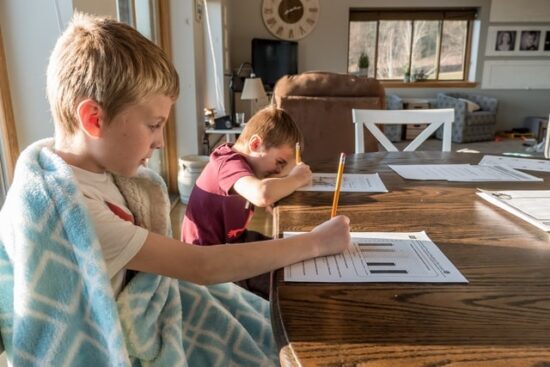
A structured online secondary school, for example, can combine learning from home with live lessons, independent study and individual mentoring. This is different from expecting a parent to become the teacher.
No model will suit every child. But parents cannot make an informed decision when they do not know which options exist.
Choosing another route is not a parental failure
Parents often feel enormous pressure to keep their child in mainstream education, even when the current environment is causing serious distress.
Admitting that a school setting is not working can feel like admitting defeat. It is not.
Listening to a child, asking what they need and exploring alternatives are responsible parenting decisions. A change in educational setting does not mean lowering expectations or giving up on academic progress.
It means recognising that children do not all learn in the same way or thrive in the same environment.
For some pupils, a different timetable, fewer sensory pressures or the ability to learn at their own pace can help them rebuild their confidence and relationship with education.
Families need earlier support and clearer information
Parents should not have to reach breaking point before they are told what help is available.
Schools, local authorities and education providers need to improve the way they communicate with families facing school refusal. Parents should receive clear information about assessments, support services and alternative education routes at the earliest possible stage.
And we must remove the stigma that prevents parents from talking honestly about what is happening at home.
When families feel unable to speak to friends, employers or other parents, the pressure becomes harder to manage. Open conversations can help parents understand that they are not alone and that seeking a different approach does not make them a failure.
School refusal is not simply about missed lessons. It can affect a family’s mental health, income, relationships and everyday life.
Recognising that wider impact is the first step towards giving families the support and choices they need.
Author biography
Hugh Viney is the founder of Minerva Virtual Academy, a Department for Education-accredited online school for pupils aged 11 to 18. The school combines online lessons and self-paced study with weekly one-to-one mentoring and wellbeing support.

Related Posts:






Discover more from Emmy's Mummy
Subscribe to get the latest posts sent to your email.
