

**Collaborative post**
Relocating to a new home is a significant undertaking, and when you have a little one in tow, safety becomes paramount. Babyproofing a new environment is an essential step to ensure that your child can explore, play, and grow without the lurking dangers that unfamiliar spaces might pose. This article aims to guide you through the babyproofing process in your new home, ensuring your baby’s safety and your peace of mind.
Understanding the Risks
Every new environment presents its set of challenges, especially when viewed from a toddler’s perspective. The spacious living room may seem like a perfect play area, but sharp furniture corners, electrical outlets, and loose cords can be hazards. The kitchen, with its myriad of interesting cabinets and drawers, is a world of potential dangers. This is where the expertise of services like the Safebound long distance moving service comes into play. While their primary role is in the relocation process, understanding the layout of a new space can also lend insights into potential danger zones for kids.
Room-by-Room Safety Checklist
Ensuring every corner of your home is safe for your little one requires meticulous attention to detail. Even spaces that seem innocuous can harbor potential threats to curious toddlers. One effective approach is to tackle safety measures room by room. Using a detailed checklist, as recommended by trusted organizations like Safe Kids Worldwide, can help parents address each area comprehensively. Below is a tailored guide to assist you in your babyproofing journey:
- Living Room: Begin by securing any top-heavy furniture that can tip over, such as bookshelves. Hide electrical cords or use safety covers on unused electrical outlets.
- Kitchen: Ensure all cleaning chemicals are stored high up or in cabinets with childproof locks. Stove knob covers and oven locks can prevent potential burns from curious fingers.
- Bathroom: Non-slip mats in the bathtub are essential to prevent slips. Consider adding toilet locks to keep young ones from the water.
- Bedroom: Position the crib away from windows, cords, or other hazards. Implement window guards to prevent accidental falls.
- Stairs & Hallways: Install safety gates at both the top and bottom of staircases. Keep hallways clear from tripping hazards like loose rugs.
After ensuring each room is suitably babyproofed, it’s essential to periodically reassess these safety measures. As your child grows and their mobility increases, some precautions might need adjustment or reinforcement. Regular checks, combined with a room-by-room safety focus, ensure a comprehensive approach to your child’s safety at home.
Outdoor Safety
Your backyard should be a haven for your child. Ensure that swimming pools have safety fences with self-latching gates. Check play equipment for any loose parts or potential entrapment areas. If you have a garden, be wary of plants that might be toxic if ingested.
Choosing the Right Safety Products
When it comes to child safety, not all products are created equal. While the market is flooded with various gadgets promising to keep your little ones safe, it’s crucial to be discerning and choose items that are effective, reliable, and appropriate for your home and child’s age. The Consumer Product Safety Commission offers guidelines on what to consider when purchasing safety products. Here’s a step-by-step approach to making informed decisions:
- Research Thoroughly: Before purchasing, read reviews and ratings. Pay attention to any recalls or safety issues related to the product.
- Age Appropriate: Ensure the product is suited for your child’s age group. What works for a newborn might not be effective for a toddler.
- Ease of Use: If a safety product is complicated to use, there’s a chance it won’t be used consistently. Look for items with clear instructions and straightforward mechanisms.
- Check for Certification: Many reputable safety products have a certification seal, indicating they’ve been tested for safety standards.
- Avoid Over-reliance: While safety products are essential, they are just one component of babyproofing. Always combine their use with constant supervision and regular safety checks.
Investing time in choosing the right safety products is an invaluable step in your babyproofing process. By following the above guide and consulting trusted sources, you’ll be equipped to create a safe environment that evolves alongside your child’s growth and curiosity.
Involving Older Siblings
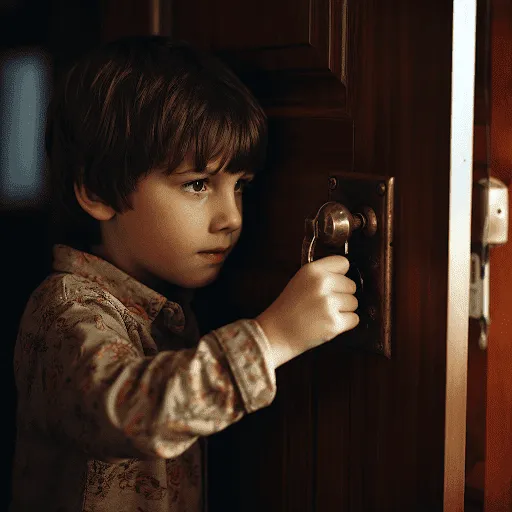
If you have older children, involve them in the babyproofing process. Teach them about the importance of keeping small toys away from younger siblings and the significance of doors being closed. They can act as additional eyes, ensuring the baby’s safety.
Regular Safety Audits
One of the most effective ways to ensure a home remains childproof is by conducting regular safety audits. As children grow and develop, their curiosity and mobility increase. What was once a safe space can suddenly present unforeseen hazards. Therefore, routinely checking every corner of the home becomes paramount.
Initiating a monthly or quarterly safety audit can be beneficial. Start by walking through each room, assessing potential risks from a child’s perspective. This might mean getting on your hands and knees to view the world from their vantage point. Look for sharp edges, accessible cords, unsecured furniture, or small objects that could pose a choking hazard.
Moreover, as children age, they gain the ability to climb, open doors, or manipulate objects in ways they couldn’t before. It’s essential to adapt and update safety measures to align with their new skills. For instance, a toddler might figure out how to unlock a cabinet, making it vital to upgrade the lock or find an alternative safety solution.
Additionally, safety audits aren’t just about identifying risks. They’re also an opportunity to check the functionality of installed safety products. Ensuring that gates, locks, and other protective devices are in proper working order is crucial. By maintaining a proactive approach, parents can stay one step ahead, ensuring their homes remain safe havens for their little explorers.
All in all
While moving to a new space is an adventure, ensuring the safety of the youngest members of the family should be a top priority. With careful planning, the right tools, and continuous vigilance, you can create a home where your child can thrive safely. The journey of setting up a new home is both exciting and demanding, but with the right measures, it becomes a secure haven for your entire family.

Related Posts:




Discover more from Emmy's Mummy
Subscribe to get the latest posts sent to your email.
