

Is your child ready for the exciting yet challenging journey of a new school term? As parents, we understand that doing well at school involves much more than having the right school essentials – it all begins with their physical and mental well-being.
The start of the school term brings unique health challenges that call for thoughtful planning and preparation, helping our children to enjoy and succeed at school.
By establishing healthy routines and good habits early in the term, we can support our children in building a strong foundation for learning while nurturing their well-being throughout the school year.
Building a Foundation for Physical Well-Being
Starting the school year with strong health practices sets students up for success. Regular medical check-ups and timely immunisations create a solid defence against common illnesses.
Recent data shows that 5.8% of children miss school frequently due to health issues, highlighting the crucial need for preventative care.
Implementing consistent hygiene practices helps safeguard students’ health. Using protective KN95 masks alongside other preventive measures can significantly reduce the risk of illness transmission in busy school settings.
Beyond basic health practices, maintaining physical wellness requires active participation from both parents and students. Teaching children about personal responsibility in health matters empowers them to make smart choices.
Regular exercise, proper hydration, and maintaining good posture when revising or studying for long periods all contribute to creating a strong foundation for academic success. Remember that establishing these healthy habits early doesn’t just prevent illness – it builds lifelong patterns that support overall wellbeing and academic achievement.
Students who prioritise their physical health often find themselves better equipped to handle the daily demands of school life.
Personalised health habits: Encourage kids to decorate their personal hygiene kits with fun stickers or colours—when health habits are personalised and enjoyable, students are more likely to stick with them.
Essential Routines for Consistent Health
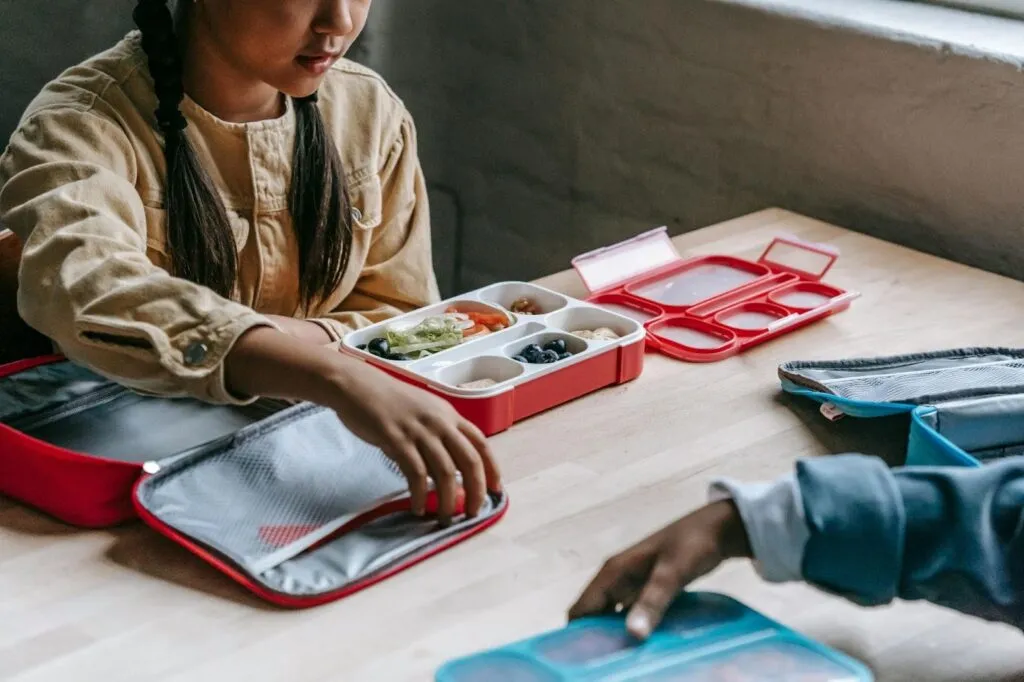
Creating strong health habits forms the cornerstone of academic achievement and student wellbeing. Students who maintain consistent sleep patterns and practise balanced nutrition often show better memory and improved immune function. These core practices influence how children perform both inside and outside the classroom.
The connection between health routines and academic achievement isn’t just anecdotal. Studies indicating higher marks and exam results prove that students with healthy lifestyle habits excel academically and attend school more regularly.
By implementing these practices early, parents can help their children build lifelong wellness habits that support their educational journey. Here are key routines that support student health and academic success:
- Set fixed bedtime and wake-up schedules to regulate the body’s natural clock
- Plan nutritious meals and snacks rich in proteins, whole grains, and fresh produce
- Schedule regular physical activity during after-school time
- Create dedicated quiet time for rest and mental recharge
- Maintain consistent meal times to support proper digestion and energy levels
Incorporating these health-focused practices into daily routines helps students maintain steady energy levels, improve concentration during lessons, and build stronger immune systems.
Parents who actively support these routines give their children valuable tools for managing academic demands while protecting their physical and mental wellbeing.
To Do: Sit down with your child this weekend to co-create a personalised daily routine that weaves in healthy habits alongside homework and downtime. Let them decorate the schedule to increase ownership and make the new routine fun to follow.
Proactive Medication and Allergy Preparedness
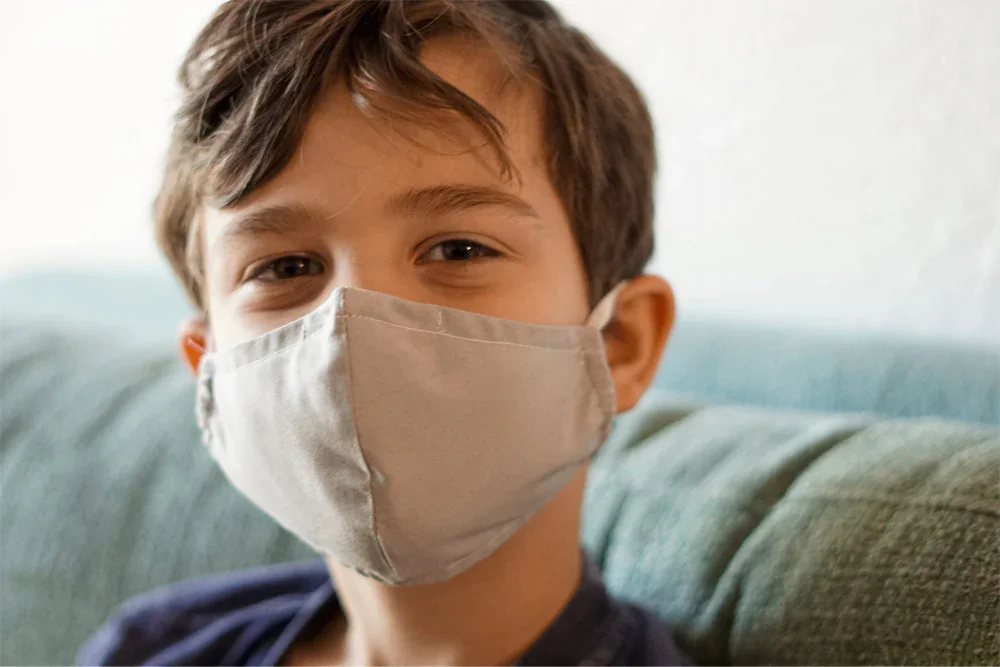
Taking charge of medical needs before the term begins helps create a safe and supportive learning environment for students with health conditions. Parents and guardians should review all medications, check expiry dates, and ensure that correct dosages are ready for the new academic year.
This preparation helps avoid disruptions and allows students to stay focused on their learning without worrying about managing their health during the school day.
Creating clear action plans with your healthcare practitioner gives school staff precise guidance for managing potential health issues. These plans should detail symptoms to monitor, suitable responses, and emergency procedures. Where possible, arrange to meet with school health staff to go over these protocols.
Here’s a complete checklist for medication and allergy preparedness:
- Updated prescriptions and repeat prescription schedules
- Emergency contact details for family members
- Written instructions for administering medication
- List of known allergies and possible triggers
- Spare medication kept securely in school
Remember to include emergency supplies in your child’s school bag, such as adrenaline auto-injectors (e.g., EpiPens) or inhalers if prescribed. Ensure all medication is clearly labelled with your child’s name, dosage instructions and expiry dates.
Regular communication with your child’s teachers helps keep these medical care strategies current and effective throughout the school year.
Nurturing Psychological Strength and Resilience
Supporting children’s emotional well-being at the start of the school year requires a thoughtful and proactive approach. Creating a supportive environment where children feel safe expressing their feelings can significantly impact their mental health.
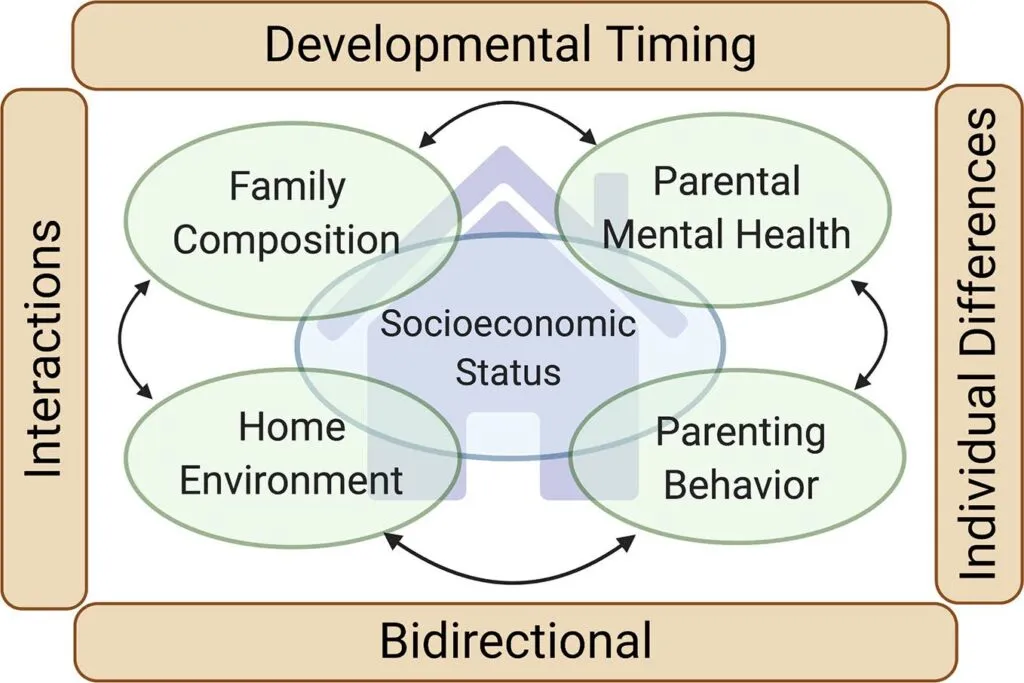
The diagram above highlights how multiple interconnected factors influence the mental well-being of children, with socioeconomic status at the core. Elements such as family composition, parental mental health, home environment, and parenting behaviour interact dynamically to shape a child’s development.
These influences are impacted by individual differences and developmental timing, reflecting how children may be affected differently based on when and how these factors occur. These relationships are not one-way—children also affect and shape their environments, creating a complex cycle of mental health outcomes.
Research from the National Centre for Biotechnology Information shows that 15% of young people experience major depressive episodes, highlighting the critical need for early intervention and support.
To build psychological strength and foster resilience in children, parents and teachers can put several effective strategies in place.
Building mental resilience isn’t a one-off effort – it’s an ongoing process that requires patience and consistency. By keeping open lines of communication and looking out for signs of stress or anxiety, parents can help their children develop healthy coping mechanisms.
Remember that small, daily actions to support emotional well-being can lead to significant positive changes in how children handle school-related challenges.
Cultivating Positive Connections and Social Support
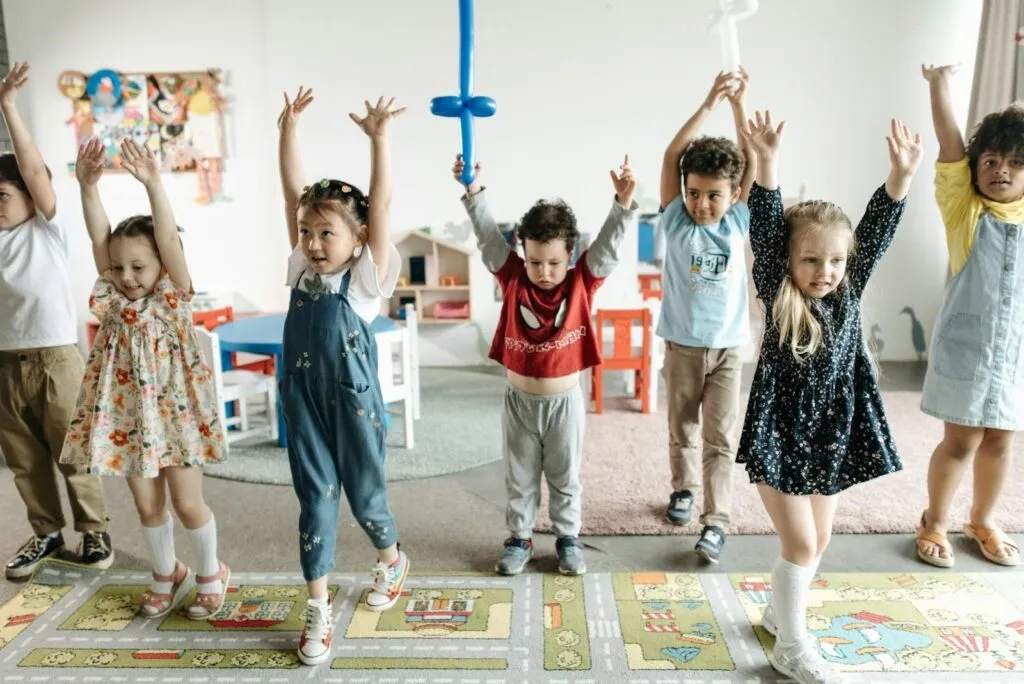
Building strong social bonds at school plays a vital role in a student’s overall well-being and academic success. When children feel connected to their peers and teachers, they’re more likely to thrive both inside and outside the classroom.
These meaningful relationships create a supportive environment where students can express themselves freely and develop essential life skills. Students who actively participate in social activities gain numerous advantages that enhance their school experience. Here are key ways to foster these valuable connections:
- Join school clubs or sports teams that reflect personal interests
- Participate in study groups or peer tutoring programs
- Engage in volunteer activities or community service projects
- Connect with mentors through school-sponsored programs
- Take part in collaborative class projects and group discussions
Creating an atmosphere of open dialogue at home strengthens these social foundations. Parents can encourage their children to share daily experiences, challenges, and victories. This type of emotional support helps pupils build confidence in their social skills and teaches them how to handle interpersonal situations effectively.
By maintaining regular conversations about school life, families can spot potential issues early and guide their children through social challenges with understanding and wisdom.
Preparing for Academic Success through Healthy Habits
Creating a well-organised study environment plays a vital role in students’ academic performance and mental wellbeing. A dedicated workspace equipped with proper lighting, comfortable seating, and minimal distractions can dramatically boost focus and productivity.
Students who establish strong study routines early in the academic year often find it easier to maintain consistent academic performance. Creating an effective space takes careful planning and the right supplies.
Beyond the physical setup, maintaining wellness habits throughout the academic year is crucial. Frequent breaks during revision sessions, staying hydrated, and having healthy snacks to hand can help sustain energy levels during long study periods.
Including the right masks in your wellness supplies adds an extra layer of protection during face-to-face lessons. Students who prioritise these healthy practices often experience improved concentration and better academic outcomes, while managing stress more effectively.
Setting the Stage
Back-to-school wellness isn’t just about general practitioner visits and school supplies; it’s about creating a comprehensive foundation for your child’s physical, emotional, and academic success.
By maintaining consistent health routines, preparing for medical needs in advance, and offering strong emotional support, parents can help their children thrive at school and beyond.
Every small step towards healthier habits supports your child’s overall well-being and academic progress—making an investment in their health today pays off well into the future.

Related Posts:




Discover more from Emmy's Mummy
Subscribe to get the latest posts sent to your email.
