

Disclaimer: The batteries shown in this post were sent to feature in this post; as always, all thoughts and opinions are my own
Sustainability is a hot topic, and rightly so! The good news is you don’t need to spend a fortune to make your home more eco-friendly. With a bit of creativity and some small changes, you can significantly reduce your environmental impact and save money in the process – which in this current financial climate is always welcomed.
Budget-Friendly Ways of Becoming More Sustainable Around the Home
I have been on a mission recently to reduce not only our household bills but any other purchases, such as school uniforms or treats. Shopping around for deals and planning is definitely the key here – from getting the new school uniform in the sales to using cashback sites whenever you shop, and of course, do chat with friends as they may have children who have outgrown clothing, etc, which you could make use of – especially school blazers etc, which certainly are not cheap but you need to have.
Harry has just left primary school, so instead of throwing away all his uniform which is now no longer needed, I have passed over to a friend with younger children so they can make use of it.
With this in mind, I am sharing some more budget-friendly ways of becoming more sustainable around the home.
Embrace the Three R’s: Reduce, Reuse, Recycle
Reduce
Start by looking at what you can cut down on. Reducing waste is the most effective way to be sustainable. This can be as simple as:
- Buying in bulk: Reduce packaging waste by purchasing larger quantities of items you frequently use.
- Opt for reusable items: Ditch single-use products like paper towels, plastic bottles, and disposable cutlery. Invest in reusable alternatives such as cloth napkins, stainless steel water bottles, and durable kitchenware. Emmy and myself also use washable period underwear most of the time, which means while costing a little more for the initial outlay of these products, it saves money in the long run and is far better for the environment too.
- Mindful shopping: Only buy what you need. This not only cuts down on waste but also saves money. Meal planning will really help with this – plan your meals for the week, look at what is already in the fridge/freezer and cupboards and make lists. Vegetables that are nearing their end of life can be made into soups, or blanched and frozen for later use.
Reuse
Reusing items can be both fun and economical. Before tossing something out, think about how it could be repurposed:
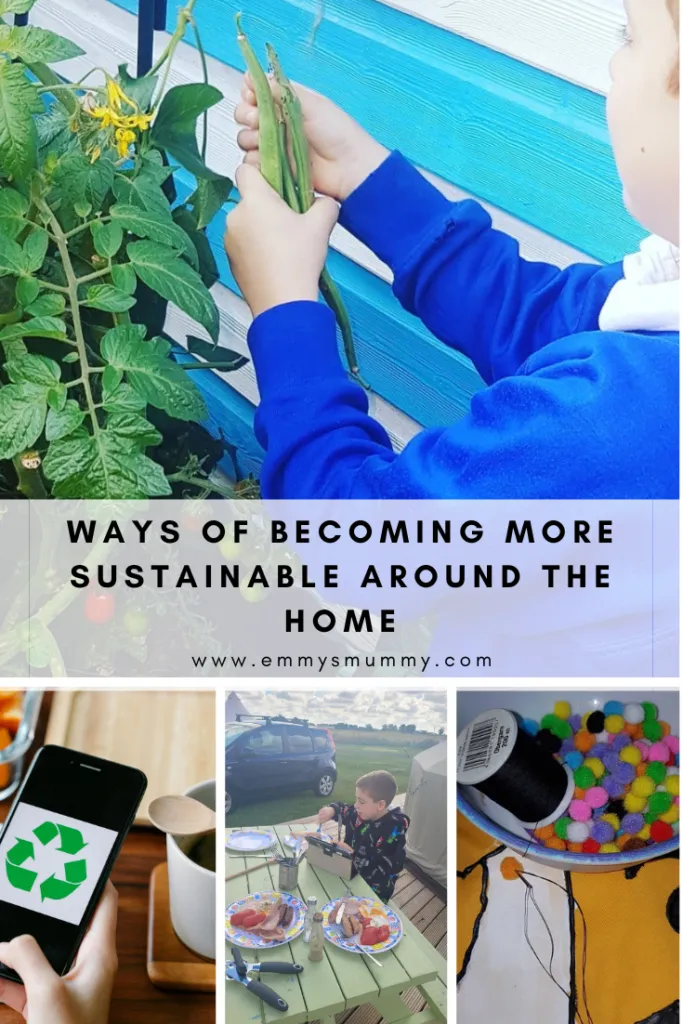
- Glass jars and containers: Use them for storage, plant pots, or even DIY projects with the kids. We used tin cans to make garden decorations and the kids even gained Blue Peter Badges for these.
View this post on Instagram
- Old clothing and fabric scraps: These can be turned into cleaning rags or craft projects. If you’re handy with a sewing machine, you might even create new clothes or accessories.
- Furniture: Instead of buying new, consider upcycling your existing furniture with a fresh coat of paint or new upholstery. I regularly upcycle furniture to fit in with a new room theme.

Recycle
Make sure you’re up to date with your local recycling guidelines and utilise them fully. Separate your waste accordingly, and don’t forget that many items can be recycled beyond the kitchen, like batteries, electronics, and light bulbs.
Energy Efficiency
Cutting down on energy usage not only reduces your carbon footprint but also slashes your energy bills. Here’s how:
- Switch to LED bulbs: They use up to 80% less energy and last much longer than traditional bulbs.
- Unplug appliances: Devices on standby still consume power. Unplug them when not in use or use a power strip to easily switch off multiple items at once.
- Insulate your home: Draught-proofing doors and windows can make a big difference. Simple solutions like using draught excluders or applying sealant around windows are both cost-effective and efficient.
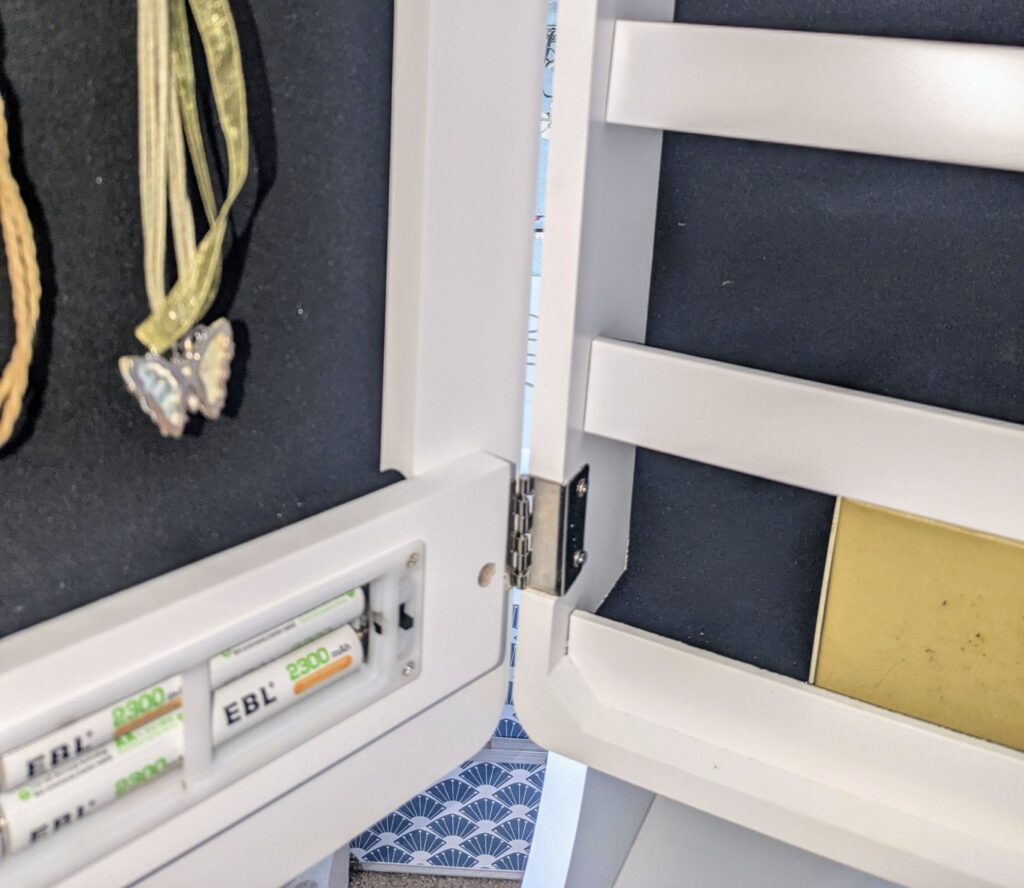
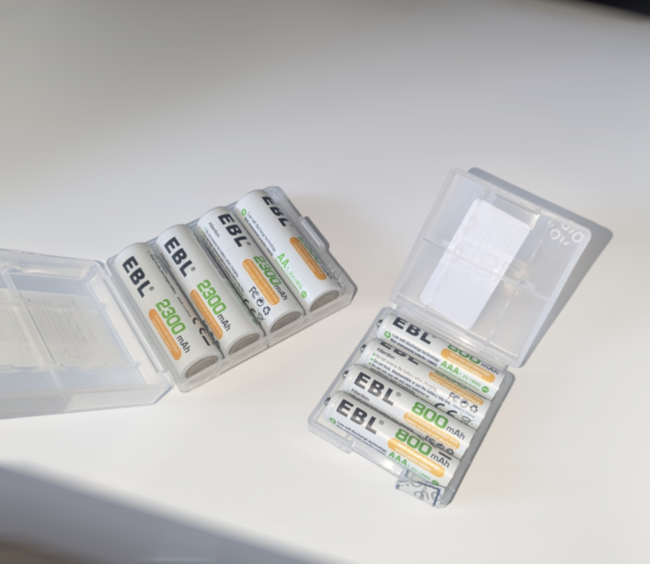
- Buy rechargeable AA AAA batteries: Instead of constantly buying single-use batteries, invest in rechargeable ones. This reduces waste and saves money over time.
- Update your tech: If you’re working remotely, upgrading to a high-performance refurbished Dell laptop for home office use is a smart, energy-conscious choice
Water Conservation
Conserving water is another excellent way to be more sustainable:
- Fix leaks: A dripping tap can waste a surprising amount of water. Fixing leaks is usually an easy and inexpensive task, often only a new washer is needed and a tightening of a screw (although, as with anything involving water, it is best to turn it off at the mains first – something I learned the hard way).
- Use water-saving devices: Shower timers, low-flow showerheads, and dual-flush toilets can significantly reduce water usage.
- Collect rainwater: Use water butts to collect rainwater for gardening instead of using tap water.
Sustainable Eating
Your food choices can also have a big impact on sustainability:
- Grow your own: Whether you have a garden or just a windowsill, growing herbs, vegetables, and fruits can be rewarding and cut down on packaging waste. We grow a lot of our own fruit and veg in our garden at home.

- Plan meals and avoid food waste: By planning your meals, you’re less likely to overbuy and waste food. Use leftovers creatively in new recipes or freeze them for future use.
- Buy local and seasonal produce: This supports local farmers and reduces the carbon footprint associated with transporting food long distances.
Green Cleaning
Many conventional cleaning products contain harsh chemicals that are bad for the environment. Switching to green cleaning solutions is better for the planet and often cheaper:
- DIY cleaners: Use ingredients like vinegar, baking soda, and lemon to make your own cleaning products. They’re effective, non-toxic, and cost pennies.
- Microfibre cloths: These can often clean surfaces effectively with just water, reducing the need for cleaning products.
Waste-Free Alternatives
Switching to waste-free alternatives can make a huge difference:
- Reusable shopping bags: Keep a few in your car or by the door to avoid using plastic bags.
- Cloth nappies and menstrual products: While the initial investment might be higher, reusable nappies and menstrual cups can save money over time and reduce a significant amount of waste.
Get the Kids Involved
Teaching your children about sustainability is crucial for their future and can be a lot of fun:
- Eco-friendly crafts: Use recycled materials for craft projects.
- Gardening: Get them involved in planting and caring for your garden. It’s a great way to teach them about where food comes from and the importance of nature.
Emmy and Harry love gardening – read a few of our favourite posts here:
Final Thoughts
Living more sustainably doesn’t mean you have to make drastic changes or spend a lot of money. Small, mindful adjustments to your daily routine can lead to significant improvements. Plus, many of these changes can save you money in the long run, making sustainability not only good for the planet but also for your wallet.
What changes have you made around your home already?


Related Posts:


Discover more from Emmy's Mummy
Subscribe to get the latest posts sent to your email.
