
**Collaborative post**
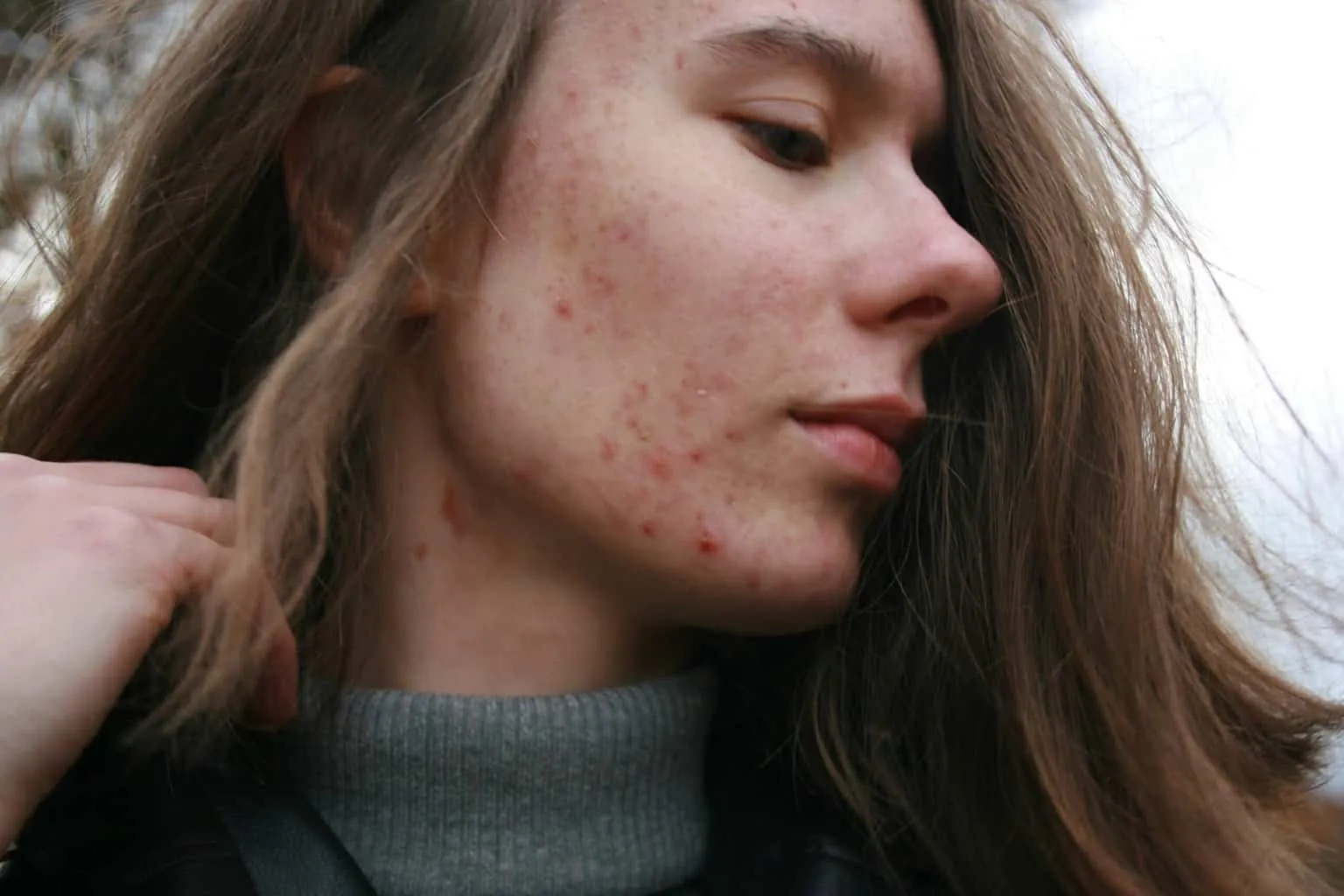
It’s common to think of acne as a teenage concern, but the marks it leaves behind—acne scars—can last far into adulthood. Many people wonder if these scars get worse over time, and the answer is yes, especially if left untreated. Collagen loss, thinning skin, and changes in pigmentation can all make scars more noticeable with age. That’s why seeking early acne scar treatment and guidance from a qualified healthcare provider is key to maintaining smoother, healthier-looking skin over the long term.
How Acne Scars Can Change Over Time
Acne scars don’t remain static. As your skin ages, structural changes in the dermis can make old scars appear deeper, more defined, or more pigmented.
| Time Factor | Impact on Acne Scars |
| Collagen decline | Scars lose surrounding support tissue |
| Skin thinning | Makes indentations more visible |
| Sun exposure | Can darken scar pigmentation |
| Delayed healing | Slows tissue repair |
Treating scars early helps reduce their appearance and prevents them from becoming more challenging to address as skin structure changes.
Why Ageing Skin Makes Scars More Noticeable
As we grow older, collagen and elastin production naturally decline. These structural proteins are essential for maintaining skin firmness and smoothness. Scarred skin, already lacking in even texture, becomes more pronounced on an ageing canvas.
In addition, ageing skin may be:
- Drier and more fragile, which exaggerates scar texture
- Less elastic, making scars more rigid and immobile
- Prone to pigmentation changes, highlighting uneven skin tone
Skin’s ability to regenerate decreases over time, further complicating the natural fading of scars.
Benefits of Addressing Acne Scars Early
Starting treatment sooner rather than later can lead to better outcomes—both medically and cosmetically.
| Early Treatment Advantage | Benefit |
| Stronger collagen response | Supports smoother healing |
| Less entrenched scar tissue | Easier to break down with treatments |
| Fewer pigmentation changes | Prevents discolouration from setting in |
| Lower psychological impact | Helps with self-esteem and confidence |
Effective treatments such as laser resurfacing, microneedling, or subcision tend to be more successful on younger, more responsive skin.
Common Misconceptions About Scarring and Age
There are several myths around acne scars and ageing. Clarifying these can help people take timely action:
- “Scars will fade completely over time on their own.”
- While PIH (post-inflammatory hyperpigmentation) may fade, true acne scars rarely resolve without intervention.
- “It’s too late to treat scars after your 30s.”
- Treatments can still be effective at any age, but earlier intervention often leads to better results.
- “Moisturisers and home remedies are enough.”
- Over-the-counter products may help mildly, but deeper scars often need professional procedures.
Conclusion: Treat Early to Prevent Long-Term Skin Texture Issues
Acne scars may not worsen in severity, but they can appear more prominent over time due to natural ageing processes. Early treatment not only minimises their long-term appearance but also takes advantage of your skin’s stronger regenerative capacity while you’re younger.
Whether you’re dealing with newly formed scars or long-standing ones, understanding the value of early intervention can help protect your skin’s health and texture. For a personalised plan based on your skin type, age, and scar pattern, speak with a trusted healthcare provider and learn more about options for early acne scar treatment.

Related Posts:




Discover more from Emmy's Mummy
Subscribe to get the latest posts sent to your email.
