
**Collaborative post**
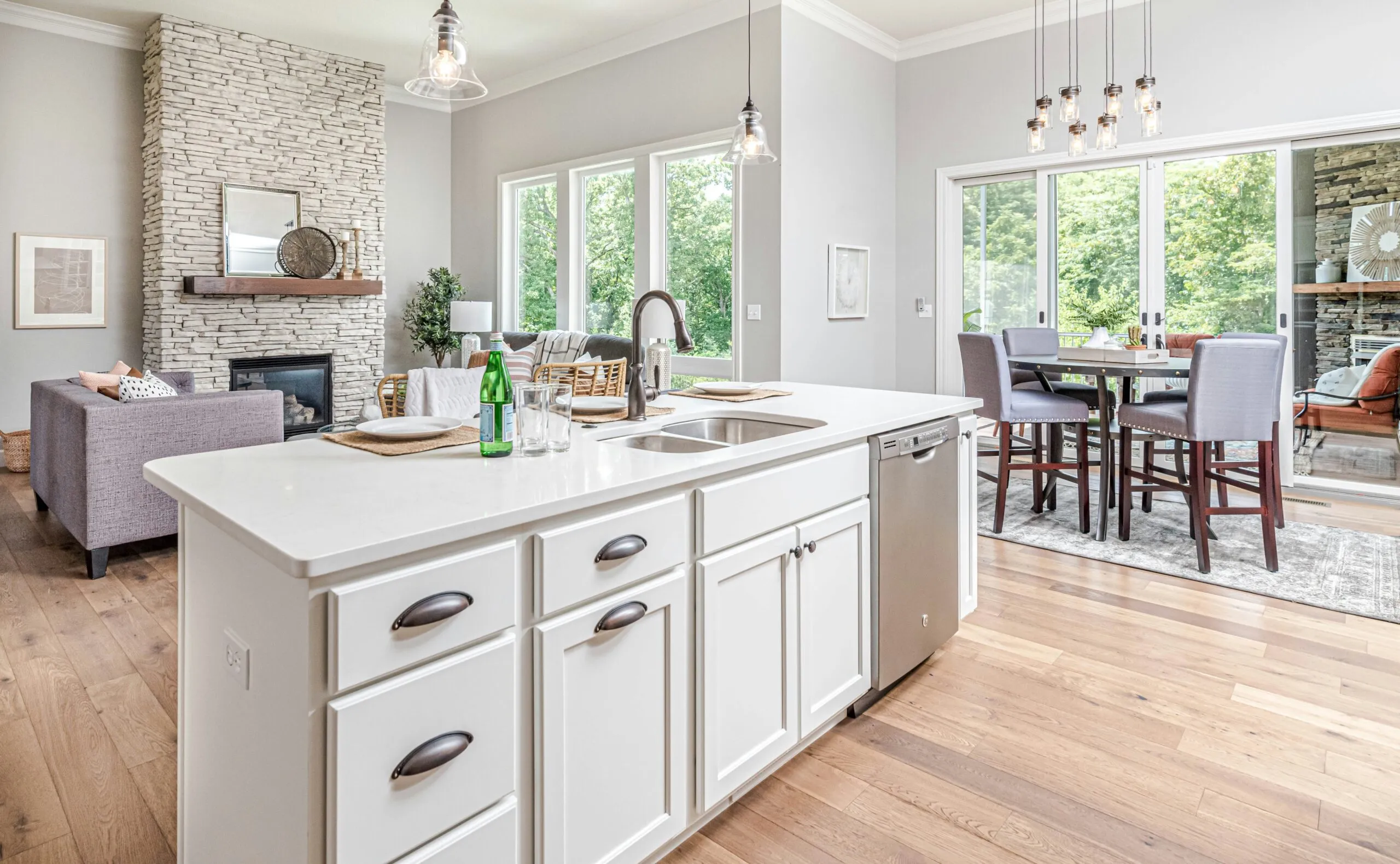
Open-plan kitchens have become one of the defining features of modern British homes, with homeowners increasingly prioritising spacious layouts that combine cooking, dining, and social living within a single environment. As these interiors continue evolving, seamless surfaces and uninterrupted design lines are playing a much larger role in shaping contemporary kitchen aesthetics. Premium worktops in the UK are therefore becoming increasingly important within modern renovations, particularly as homeowners seek materials that balance practicality with architectural sophistication. This shift has contributed to growing demand for larger-format 4m worktops, which create cleaner visual flow throughout open-plan spaces while providing greater functionality for everyday use. Rather than relying on segmented surfaces and visible joins, modern kitchens are increasingly designed around continuity, simplicity, and natural material finishes that enhance both usability and visual refinement.
Why 4 Metre Worktops Are Growing in Popularity
As open-plan kitchens continue dominating modern UK home design, larger worktop surfaces are becoming increasingly desirable due to their ability to create cleaner and more visually cohesive interiors. Traditional segmented worktops often introduce visible joins that interrupt the overall flow of the kitchen, whereas longer surfaces establish uninterrupted horizontal lines that feel considerably more refined and architecturally balanced. This has contributed to rising demand for 4m worktops, particularly within contemporary homes where spacious layouts and minimalist aesthetics are prioritised. Their extended format allows kitchen islands, preparation areas, and breakfast bars to appear more seamless while enhancing the overall sense of scale within the room.
Beyond aesthetics, larger worktops also deliver substantial practical advantages for modern households. Increased surface area improves functionality by providing additional preparation space, greater flexibility for entertaining, and improved integration between cooking and dining zones. Timber surfaces are especially effective in this setting because their natural grain creates continuity across larger spans, reinforcing the premium appearance of the kitchen while adding warmth to the wider living environment. As homeowners increasingly favour multifunctional spaces that support both everyday family life and social gatherings, larger-format worktops have become a defining feature of contemporary kitchen design.
How Seamless Worktops Improve Open-Plan Living
Seamless worktops have become increasingly important within open-plan kitchen design because they help establish cleaner architectural lines throughout larger living spaces. In contemporary interiors where kitchens flow directly into dining and lounge areas, visual continuity plays a major role in creating a more refined and cohesive environment. Longer timber surfaces minimise visible joins and interruptions, allowing the kitchen to feel more spacious and carefully integrated within the wider home. This approach aligns closely with modern minimalist design principles, where simplicity and uninterrupted materials contribute to a stronger sense of balance and sophistication.
Larger worktops also improve how open-plan kitchens function on a practical level. Modern households frequently use kitchen islands and extended work surfaces for dining, entertaining, remote working, and social interaction in addition to food preparation. Continuous timber surfaces help support this multifunctional layout by creating larger usable zones without fragmenting the space visually. Natural wood is particularly effective within open-plan interiors because its texture and warmth soften the sharper finishes often associated with modern cabinetry, metal fixtures, and stone surfaces, resulting in kitchens that feel both luxurious and comfortable.
How Large Worktops Improve Kitchen Functionality
One of the biggest advantages of 4 metre worktops is the amount of uninterrupted functional space they provide within modern kitchens. Open-plan layouts are increasingly designed around large kitchen islands and extended preparation areas that support cooking, dining, entertaining, and day-to-day family activity simultaneously. Longer worktop runs allow homeowners to create clearly defined working zones without breaking the flow of the surface, making kitchens feel considerably more efficient and better organised. This is particularly valuable in larger households where multiple people may use the kitchen at the same time.
Longer surfaces also improve flexibility within contemporary kitchen layouts by supporting integrated seating areas, breakfast bars, and oversized islands without requiring visible seams or additional sections. In practical terms, this creates more usable preparation space while helping appliances, sinks, and cooking zones feel more evenly distributed throughout the room. For open-plan homes specifically, larger worktops contribute to a cleaner and more balanced appearance by reducing visual fragmentation and allowing the kitchen to operate as a central social hub rather than a purely functional area.
The Future of Large-Format Kitchen Design
Large-format kitchen design is expected to become even more prominent within UK homes as open-plan living continues shaping modern residential architecture. Homeowners are increasingly prioritising spacious layouts that support cooking, dining, entertaining, and flexible day-to-day living within a single connected environment. As a result, kitchens are evolving into multifunctional social spaces where uninterrupted surfaces and oversized islands play a central role in both aesthetics and practicality. Longer worktops help reinforce this architectural approach by creating cleaner lines and improving spatial flow throughout the room.
The growing demand for bespoke kitchens is also influencing the popularity of larger worktop surfaces. Rather than relying on standardised layouts, many homeowners now favour custom-designed spaces tailored around their individual lifestyle requirements. Large-format timber worktops support this trend by allowing greater flexibility in kitchen configuration while contributing to the seamless appearance associated with contemporary luxury interiors. As British kitchen design continues moving towards open, minimalist, and highly functional spaces, 4 metre worktops are likely to remain an increasingly desirable feature within modern homes.
Conclusion
As open-plan living continues shaping contemporary British homes, larger worktop surfaces are becoming increasingly important in creating kitchens that feel both functional and visually refined. Seamless 4 metre worktops enhance spatial flow, reduce visual interruptions, and provide the flexibility required for modern cooking, dining, and entertaining environments. Their ability to support large islands and multifunctional layouts makes them particularly well-suited to today’s open-plan interiors, where practicality and aesthetics must work together. As homeowners continue prioritising spacious design and uninterrupted architectural lines, large-format worktops are set to remain a defining feature of modern kitchen design across the UK.

Related Posts:


Discover more from Emmy's Mummy
Subscribe to get the latest posts sent to your email.
