
**Collaborative post**
Your home has a talent for breaking at the least convenient moment. A dripping pipe starts during exam week, a cracked ceiling appears right before guests arrive, and suddenly your weekend plans involve a ladder and a long sigh. Knowing whether you should handle a repair yourself or call in help can save you money, time, and a surprising amount of stress. The trick isn’t bravery. It’s knowing where the line is between manageable and risky.
Start With Risk, Not Confidence
A lot of people judge a repair by asking, “Do I think I can do this?” That sounds reasonable, but it’s not the best starting point. A better question is, “What happens if I get this wrong?”
Painting over scuffed walls or tightening a loose cabinet hinge usually carries low risk. If the result looks rough, you can fix it later. Electrical work, structural cracks, gas appliances, and hidden water damage live in a very different category. One mistake there can create safety hazards, bigger repair bills, or insurance headaches.
Before you grab tools, check a few basics:
– Could someone get hurt if this repair fails?
– Could the damage spread behind walls, under floors, or into wiring?
– Does local code require licensed work?
– Would a poor repair affect resale value later?
Confidence helps, but consequences matter more. You don’t get bonus points for wrestling a dangerous repair alone. Your house is not a reality show challenge.
Water Damage Needs Fast, Smart Decisions
Water is one of the most expensive troublemakers in any house. It stains ceilings, warps wood, weakens drywall, and creates perfect conditions for mold. The visible mark is often just the trailer, not the full movie.
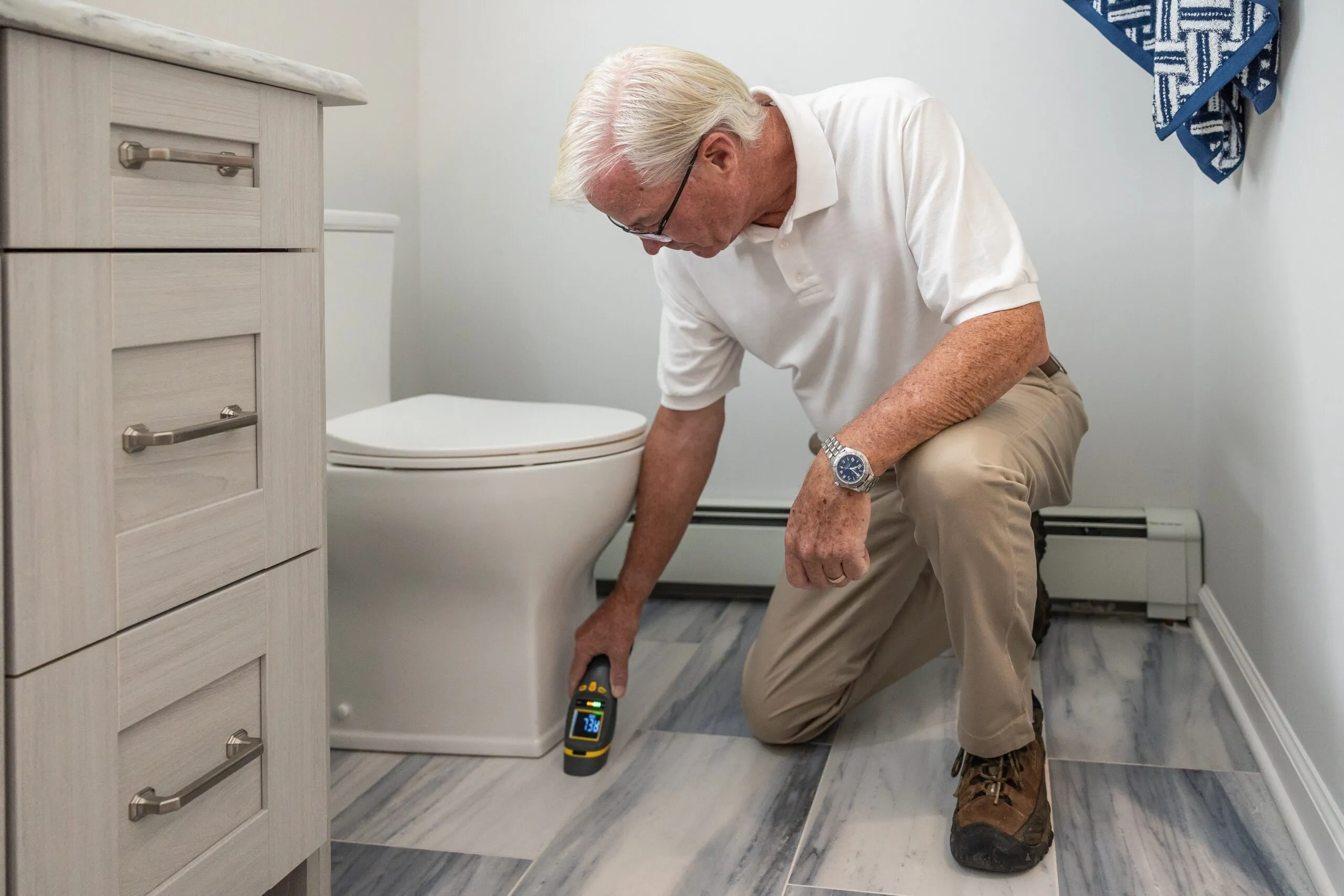
You can usually handle minor issues like drying a small spill quickly, replacing a worn shower curtain liner, or resealing around a sink. Once water has soaked walls, flooring, insulation, or framing, speed and proper assessment become far more important.
Signs that you may need professional home repairing services include:
– Bubbling paint or soft drywall
– A musty smell that lingers
– Discolouration spreading across ceilings
– Warped floorboards or laminate lifting at the edges
– Water damage caused by storms, burst pipes, or appliance failure
The goal isn’t just drying the obvious area. It’s checking what happened behind the scenes. Moisture trapped out of sight can keep causing damage long after the floor looks dry. Real repair work often involves inspection, removal of compromised materials, sanitation, and reconstruction, not just a fan and wishful thinking.
Small Repairs You Can Usually Handle Yourself
DIY makes sense when the task is visible, low-risk, and easy to redo. You don’t need to become a renovation wizard to handle routine fixes that keep your home looking decent and functioning well.
Repairs that are often beginner-friendly include:
– Filling nail holes and minor wall dents
– Re-caulking a bathtub or sink
– Replacing door handles or cabinet hardware
– Unclogging a slow drain
– Patching tiny areas of peeling paint
– Fixing squeaky hinges
These jobs usually need basic tools, patience, and careful prep. The prep part matters more than people expect. A rushed paint touch-up or sloppy caulk line can make a tiny issue look bigger than it was.
Watch for hidden complications, though. A “small” stain on drywall might be covering a leak. A loose tile could point to moisture underneath. Surface problems sometimes act like decoys. If the repair starts simple and then reveals mould, rot, or warped material, step back and reassess before turning a quick fix into a bigger mess.
Electrical and Structural Problems Are Not Trial-and-Error Projects
Some repairs look oddly simple from the outside. Replacing a light fixture seems straightforward until you find old wiring, overloaded circuits, or connections that were done badly years ago. Structural issues can be even trickier. A crack in plaster may be cosmetic, or it may hint at shifting foundations or water intrusion.
This is where DIY confidence can drift into expensive optimism.
Call in expert help if you notice:
– Breakers tripping repeatedly
– Warm outlets or flickering lights
– Cracks wider than a few millimetres
– Doors and windows are suddenly sticking throughout the house
– Sagging ceilings or uneven floors
These issues affect the systems that keep your home safe and stable. Online tutorials can explain the basics, but they can’t inspect your exact conditions. Houses age in weird, highly specific ways. One home has outdated aluminium wiring, another has hidden rot around a beam, and another has both because apparently, chaos likes teamwork.
When a repair involves core systems, accuracy matters more than saving a few hundred pounds or dollars upfront.
Budgeting for Repairs Without Making Panic Decisions
Repairs often feel more stressful because they’re unplanned. You’re not just solving a practical issue. You’re trying to make a smart financial call under pressure. That’s when people either overspend in a hurry or delay too long and make the problem worse.
A better approach is to separate urgency from emotion. Start by asking:
– Is the damage active or stable?
– Will waiting two weeks increase the cost?
– Is this affecting safety, sanitation, or daily use?
– Can you get two or three quotes before deciding?
For non-emergency repairs, compare labour scope, material quality, timeline, and warranty details. The cheapest option can cost more later if corners get cut. The most expensive option isn’t automatically the best, either.
It also helps to keep a home repair fund, even if it starts small. Many homeowners aim to set aside 1% to 3% of a home’s value each year for maintenance and repairs. That number varies with age and condition, but the habit matters. A cushion gives you room to think clearly instead of making decisions in full panic mode with a bucket catching ceiling drips nearby.
How to Spot Quality Help and Avoid Regret
Not every contractor, repair company, or specialist operates at the same level. Finding the right help takes more than typing a problem into a search bar and choosing the first name that appears.
Look for a few practical signs of quality:
– Clear written estimates with itemised work
– Proof of licensing and insurance where required
– Good communication about scope and timeline
– Reviews that mention reliability, cleanup, and follow-through
– Willingness to explain what caused the problem, not just quote a fix
You should also ask what happens if extra damage appears after work begins. Good professionals know hidden issues can show up, especially with leaks, fire damage, or older homes. The difference is whether they explain the next steps clearly.
A solid repair experience leaves you understanding the issue better, not feeling dazzled by jargon. Technical language has its place, but good service includes translation. If someone can’t explain the job in plain terms, that’s a red flag.
The best repair decision usually sits between two extremes: doing everything yourself and outsourcing every loose screw. Learn the small jobs, respect the dangerous ones, and treat hidden damage seriously. Your home doesn’t need heroics. It needs smart judgment, decent timing, and repairs that actually hold up.

Related Posts:


Discover more from Emmy's Mummy
Subscribe to get the latest posts sent to your email.
