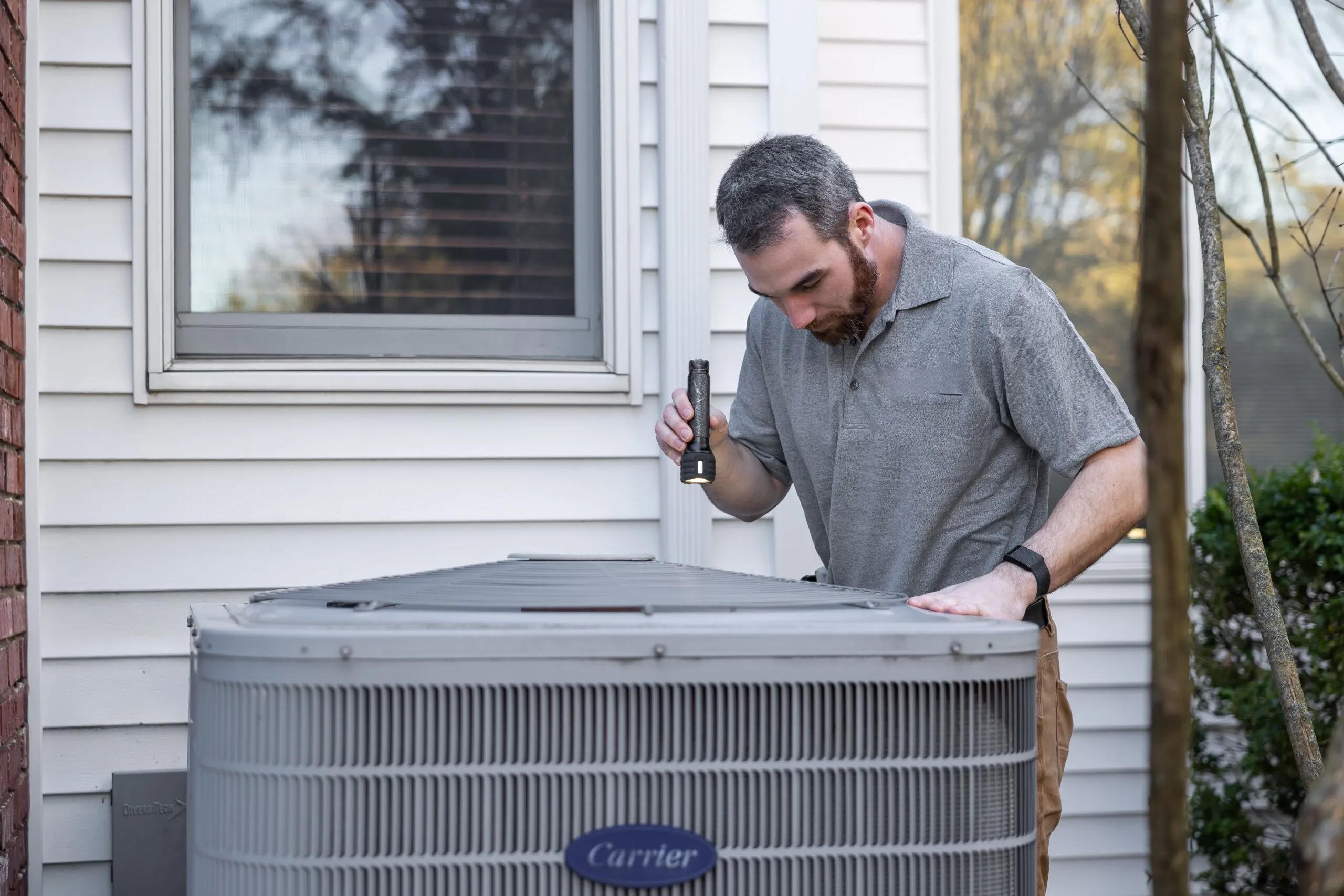
How to Know When Your HVAC System Needs Repair Before It Fails
Posted on
**Collaborative post**
If you live in Dunedin, you already know your HVAC system works harder than people give it credit for. Gulf humidity, long cooling seasons, salty air, and those surprise cold snaps can push even a decent unit into early drama mode. Waiting until it quits completely usually means higher repair bills, sweaty rooms, and a schedule built around emergency service windows. You’re better off spotting the warning signs early, while the fix is still manageable and your home still feels like a home instead of a sauna.
Your HVAC system should make some noise, but it shouldn’t sound like it’s auditioning for a percussion solo. A soft hum or the usual startup click is normal. Banging, grinding, squealing, or rattling is not.
Different sounds often point to different issues. A screech can mean a worn belt or motor bearing. Rattling may signal loose panels or debris in the system. A banging sound can suggest a blower part has come loose, which is about as relaxing as it sounds.
If you hear new noises that repeat every cycle, don’t brush them off. Small mechanical issues tend to snowball. A loose part can damage nearby components, and a stressed motor rarely gets better through positive thinking.
A practical move is to note when the sound happens. Does it start at startup, during cooling, or when the unit shuts off? That detail helps a technician narrow things down faster. If you’re trying to decide whether to call an HVAC repair company in Dunedin, unusual sound patterns are one of the clearest signals that your system wants attention before it demands it.
Weak Airflow Can Turn a Minor Issue Into a Major One
When air barely trickles out of your vents, your HVAC system is telling you something useful, even if it’s doing it in the least convenient way possible. Weak airflow can make rooms cool unevenly, force your unit to run longer, and send your energy bill climbing.
The easiest cause to check is the air filter. A clogged filter restricts airflow and puts strain on the system. If the filter looks dusty enough to qualify as archaeology, replace it. Also, check that vents aren’t blocked by rugs, furniture, or piles of laundry that somehow became permanent decor.
If those basics don’t fix it, the issue may involve the blower motor, duct leaks, or frozen evaporator coils. Frozen coils are especially common when airflow is poor or refrigerant levels are off. You might notice the system running nonstop while the house still feels warm and sticky.
Weak airflow isn’t just a comfort problem. It can shorten equipment life because the system works harder to deliver less. That’s a bad trade. Catching the issue early often means a simpler repair, instead of waiting until the unit overheats or another component gives up.
Uneven Temperatures Often Point to More Than Thermostat Trouble
If one bedroom feels like a fridge and the living room feels like late July, your HVAC system may be struggling with more than routine calibration. Uneven temperatures are common in homes, but they shouldn’t be extreme or persistent.
Start with the thermostat settings and battery, if your model uses one. Then think about patterns. Does the problem happen at certain times of day? Is it always the same room? South-facing spaces, older windows, and poor insulation can all affect comfort, but HVAC issues are still a major suspect.
Leaky ducts are one common cause. Conditioned air can escape into attics, crawl spaces, or wall cavities before it ever reaches you. A malfunctioning damper, dirty coil, or failing blower can also throw off balance across the house.
In older Florida homes, duct design is often part of the story. Systems may have been updated over the years, while the ductwork stayed stuck in another decade. That mismatch can leave you with hot spots and cold zones that no amount of thermostat tapping will solve.
When temperature swings become your daily normal, a proper inspection can reveal whether you’re dealing with distribution issues, equipment strain, or both.
Rising Energy Bills Can Reveal Hidden HVAC Problems
A higher utility bill doesn’t always mean rates changed or that someone has secretly decided the thermostat belongs at polar-bear settings. If your usage habits stayed about the same but the bill jumped, your HVAC system may be losing efficiency.
One common reason is that worn components force the unit to run longer to reach the same temperature. Dirty coils, refrigerant issues, a struggling compressor, or leaking ducts can all create that pattern. The system still works, technically, but it does the job like it’s dragging a backpack full of bricks.
Pay attention to trends over two or three billing cycles rather than one random spike. Seasonal increases are normal in Dunedin, especially during peak summer heat, but a noticeable climb without a clear reason deserves a second look.
You can also watch for behavior changes, such as longer cooling cycles, frequent starts and stops, or rooms that never quite reach the set temperature. Those clues often show up before a complete breakdown.
Energy inefficiency matters beyond your wallet. An overworked unit experiences more wear, which raises the odds of bigger repairs later. Spotting the issue early can protect both your monthly budget and the long-term health of the equipment.
Moisture, Odours, and Short Cycling Need Quick Attention
Some HVAC warning signs don’t announce themselves with noise or weak airflow. Instead, they show up as musty smells, visible moisture, or a system that constantly turns on and off. None of those should be ignored.
Musty odours can point to mould or mildew in the ductwork, drain line, or evaporator area. In humid climates, moisture management is a serious part of HVAC performance. If the system isn’t removing humidity properly, your home may feel clammy even when the temperature looks fine on the thermostat.
Pooled water near the indoor unit may mean a clogged condensate drain or a damaged drain pan. Refrigerant leaks can also create moisture-related problems and should be handled promptly by a professional.
Short cycling, where the unit starts and stops in rapid bursts, is another major clue. It can happen because of thermostat issues, overheating, refrigerant problems, or an oversized system. Short cycling wastes energy, increases wear, and often leaves your home less comfortable.
The practical takeaway is simple:
– Don’t ignore new smells
– Check for water around the unit
– Watch how long each cooling cycle lasts
– Notice whether indoor air feels unusually damp
These signs often show up before a full system failure. Catching them early gives you more repair options and fewer expensive surprises.
A Smart Repair Decision Starts With Timing, Not Panic
The best time to deal with HVAC trouble is usually before the breakdown, not during it. Once a system fully fails, you’re stuck making decisions under pressure, often in peak heat, with fewer appointment options and less room to compare solutions calmly.
A useful habit is to treat HVAC changes like you would treat car warning lights. You don’t need to panic at the first signal, but you also don’t keep driving for months while pretending the dashboard is being dramatic.
If you’ve noticed repeated odd noises, weak airflow, uneven temperatures, climbing bills, or moisture issues, schedule an inspection before the problem compounds. Preventive attention often costs less than emergency repair and can help extend the life of your unit.
For homeowners in places like Dunedin, where cooling systems do heavy lifting most of the year, early action matters even more. Climate, salt exposure, and constant use create a little extra wear-and-tear tax.
You don’t need to become an HVAC expert overnight. You just need to notice patterns, respond early, and avoid the classic home-maintenance strategy of hoping the problem develops a sense of mercy. It won’t.
Subscribe to get the latest posts sent to your email.
Clare
Hi, I'm Clare (Emmy's Mummy). A former Nanny and Mother of 2 - Emmy (born February 2010) and Harry (born October 2012). We are Essex based and share our adventures and misadventures of a busy crazy life.