Tips to Keep Your Kids Safe from the Heat When Out at Summer Events
Posted on
**Collaborative post**
Summer is a great time for children to be active, running around the park, playing team sports or even just enjoying the outdoors. The longer days and warmer climate offer great opportunities for physical activity and social play. Unfortunately, they also come with very real dangers and there are several things parents must appreciate and prepare for. Most people are unaware of how common heat-related illness in children is but indeed, this condition could be prevented in most cases.
Due to immaturity, children’s bodies are not as efficient in regulating temperature when compared with adults. Their body mass is less in proportion to their surface area so they take heat quickly but hold it longer. Most importantly, kids get so engrossed in their activity that they do not notice or just ignore when their body starts to have trouble dealing with the heat.
It is important to understand the distinction between heat exhaustion and heatstroke. This condition can develop over a long period and is often treated with some rest, shade, and fluids. Heat exhaustion, on the other hand, can lead to heatstroke and that’s a medical emergency. Call 999 right away if a child: stops sweating and starts to lose consciousness.
Recognising the Warning Signs
The earlier you can identify the signs that something is overheating, the easier it will be to intervene. Flushed or red skin, plenteous perspiration, agitation, discombobulation, and abnormal tiredness. A kid that goes suddenly silent or sits out during a raucous round of active play could also be sending a message that something’s off.
Immediate attention should be paid to the more serious warning signs, which include rapid or laboured breathing, disorientation or sudden stops in sweating. Don’t wait to see if they go back to baseline on their own.
Practical Prevention Strategies
Timing is the easiest and nonetheless essentially one of many least complicated instruments on a dad or mum. The maximum UV exposure occurs between 11am and 3pm, so outdoor activities should ideally be performed either in the early morning or late afternoon to minimise both UV and heat exposure.
The rest breaks and shade are as vital. Children will not voluntarily take a break from the fun, so any plan for outdoor play should have built-in breaks, preferably in a shaded area. If possible, wear light and watertight clothing plus a hat to cover parts of the face as well as the back from the neck.
Use SPF 30 broadband sunscreen prior to going outside and reapply every two hours, particularly after sweating or participating in wet play. Handheld fans can also be particularly useful for outdoor events, where they can help increase comfort levels a great deal during rest breaks.
For group outings, handheld fans can make a noticeable difference during rest breaks in the heat. Parents organising larger gatherings may find it worth looking into custom fans for events, which have become a practical choice for keeping participants comfortable at outdoor summer activities.”
Hydration: This Is Where You Need To Start Before They Get thirsty
Most parents make the common mistake of waiting for a child to ask when they need something to drink. The thirst response often occurs only once mild dehydration is already underway get your child to drink some water pre- and post-exertion and then regularly while playing outdoors, roughly every 20 minutes when engaging in activity.
Plain water is typically fine while you are spending time outside, however if your activity lasts longer than an hour or is very vigorous, plain water may be inadequate. Electrolytes, which include sodium and potassium, are lost through sweat. Replacing electrolytes keeps muscles functioning optimally and allows for peak cognitive performance. Having some diluted sports drink or plain water plus some electrolytes from high potassium foods available (bananas and a yoghurt) can help.
Building a Heat Safety Checklist
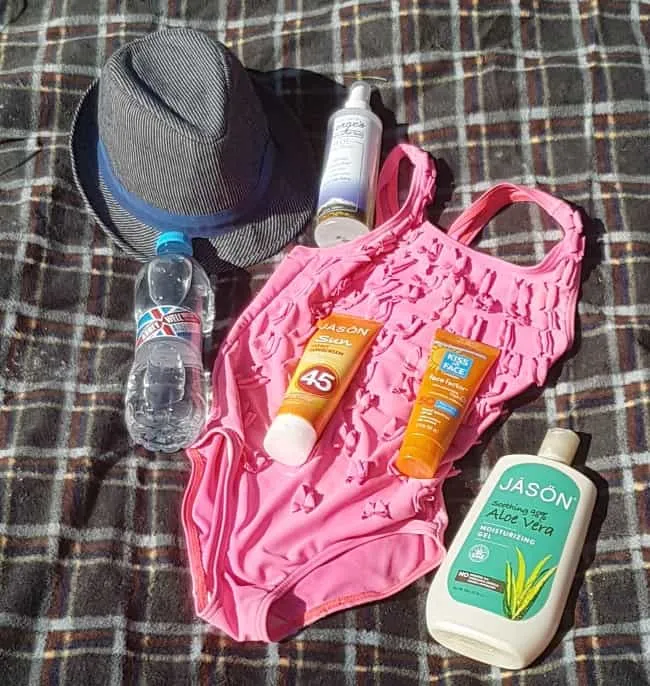
Checklist: Sunscreen applied? Hats packed? Water bottles filled? Light layers included? Shady resting areas at the destination identified before any hot summer day out. The night before check your local UV forecast and if burning conditions are bad change plans.
For older kids, talk about what heat exhaustion is and then ask your child to tell an adult if something does not feel right. In my opinion, so long as you build that awareness early on then it stops being this big elephant in the room.
Making summertime differently for children is not a dramatic change in heat safety. When basic and regular habits are established, there just exists safe, snugly confident outdoor pursuits that children can easily engage in together.
Subscribe to get the latest posts sent to your email.
Clare
Hi, I'm Clare (Emmy's Mummy). A former Nanny and Mother of 2 - Emmy (born February 2010) and Harry (born October 2012). We are Essex based and share our adventures and misadventures of a busy crazy life.