
**Collaborative post**
Waterproof flooring is vital for any bathroom, offering a blend of practicality and style. Investing in quality waterproof flooring not only protects against moisture damage but also enhances the overall aesthetics of the space. Homeowners can choose from a variety of options, including vinyl, laminate, and tile, each providing unique benefits that can cater to different tastes and needs.
Bathrooms are prone to water exposure, making waterproof materials essential for preserving the longevity of the flooring. Waterproof flooring solutions not only resist damage caused by spills and humidity but also offer easy maintenance and a range of designs. With the right flooring, a bathroom can become a stylish sanctuary without the worry of water-related issues.
Exploring various waterproof flooring options reveals a wealth of choices that can elevate bathroom décor while ensuring durability. Whether opting for the sleek look of vinyl planks or the classic appeal of tiles, excellent resources are available for high-quality materials. Understanding these options empowers homeowners to make informed decisions that enhance both function and beauty in their bathrooms.
The Challenges Of Bathroom Flooring
Bathroom flooring faces distinct challenges due to the high levels of moisture and heavy foot traffic. Selecting appropriate materials and maintaining them can prove difficult. Understanding these challenges can lead to more informed decisions when designing or renovating a bathroom.
Warping And Damage From Water Exposure
Water exposure is the most significant issue for bathroom flooring. Moisture can lead to warping, especially in wood, laminate, and certain types of vinyl. When water seeps into these materials, it causes them to swell, warp, or degrade over time.
The consequences of such damage include aesthetic changes and structural integrity concerns. It may require costly repairs or replacements. Therefore, choosing water-resistant materials is essential. Options like porcelain tile and waterproof vinyl can mitigate these issues.
Homeowners should ensure proper sealing of joints and grout lines. This practice further enhances resilience against potential water damage.
Mould And Mildew Growth In High-Moisture Areas
Mould and mildew thrive in high-moisture environments, and bathrooms provide the perfect conditions for their growth. Areas that consistently remain damp can become breeding grounds for these fungi, posing health risks to occupants.
To reduce the risk of mould, proper ventilation is crucial. Installing exhaust fans can help control humidity levels. Homeowners should also consider moisture-resistant materials for flooring and walls to decrease the likelihood of mould.
Regular cleaning with appropriate mould-killing solutions is necessary to keep surfaces free from these harmful fungi. This maintenance can help ensure a healthier living space while prolonging the lifespan of flooring materials.
Limited Durability And Frequent Maintenance Needs
Many common bathroom flooring materials have limited durability, necessitating frequent maintenance and replacement. For instance, natural materials such as wood can become damaged quickly in a high-moisture environment.
Ceramic and porcelain tiles can resist some moisture, but grout lines may stain or crack, requiring ongoing care. Vinyl options might be budget-friendly but may fade or become damaged sooner than anticipated.
Investing in high-quality, durable flooring can minimise long-term costs. Regular upkeep, including cleaning and inspections, is essential for maintaining appearance and function. Developing a maintenance routine allows homeowners to enjoy their flooring longer while preventing major issues.
Top Waterproof Flooring Options For Bathrooms
Choosing the right waterproof flooring for bathrooms involves considering various materials that offer durability, aesthetics, and moisture resistance. Each option has distinct characteristics that cater to different preferences and needs, making informed decisions crucial.
Luxury Vinyl Planks (LVP) Are Durable And Stylish
Luxury vinyl planks have become a popular choice for bathrooms due to their impressive water resistance and realistic design. They mimic the look of hardwood or stone while providing robust performance against moisture.
Benefits of LVP include:
- Water Resistance: Advanced manufacturing ensures minimal water penetration.
- Comfort Underfoot: Softer than tiles, LVP feels warm and inviting.
- Versatile Design Options: Available in numerous styles, colours, and textures.
Installation is straightforward, typically involving a click-lock system, making it a viable option for DIY projects.
Ceramic And Porcelain Tiles Offer Timeless Beauty
Ceramic and porcelain tiles are timeless materials known for their durability and moisture-resistant properties. They provide a classic look while withstanding the humid environment of bathrooms.
Key features include:
- Durability: Both materials are hard and long-lasting.
- Waterproof Nature: When properly sealed, they prevent water absorption.
- Easy Maintenance: Tiles are straightforward to clean with regular household cleaners.
Ceramic tiles are typically less expensive than porcelain, which tends to have a denser composition and higher durability.
Waterproof Laminate Is A Trendy Option
Waterproof laminate flooring combines modern technology with traditional aesthetics, making it suitable for bathrooms. Recent advancements in core technologies allow laminate to resist water damage effectively.
Advantages of waterproof laminate include:
- Innovative Design: Available in various styles, it can imitate wood or tile.
- Easy Installation: Usually features a click-lock format for quick setups.
- Affordability: Generally more cost-effective than hardwood or tile options.
While it can resist moisture for limited periods, it’s advisable to avoid excessive water exposure to maximise its lifespan.
Sheet Vinyl Provides Seamless Coverage
Sheet vinyl is a practical flooring solution for bathrooms due to its seamless installation and excellent water resistance. This material is usually available in large rolls, allowing for fewer seams and gaps where water can seep through.
Highlights of sheet vinyl include:
- Complete Waterproofing: The absence of seams minimises water infiltration.
- Comfortable and Soft: Offers a cushiony feel underfoot, adding comfort during use.
- Variety of Designs: Comes in numerous patterns, colours, and textures to suit different themes.
Installing sheet vinyl can be more complex, requiring professional help for accurate fitting, especially in uniquely shaped bathrooms.
Benefits Of Waterproof Flooring In Bathrooms
Waterproof flooring in bathrooms provides essential benefits that address both functionality and aesthetics. With the right choices, homeowners can enjoy long-lasting durability, easy maintenance, and effective protection against common damp-related issues. These advantages make waterproof flooring a preferred option for modern bathrooms.
Long-Lasting Durability In High-Moisture Environments
Bathrooms are naturally moist spaces, subject to splashes, humidity, and steam. Waterproof flooring is designed to endure these conditions without compromising its structural integrity. Materials such as luxury vinyl, porcelain tile, and rubber are excellent choices, offering resistance to swelling or warping.
Moreover, many options feature a wear layer that protects against scratches and dents. This durability ensures that the flooring can withstand daily use while maintaining its appearance. Investing in quality waterproof flooring from suppliers like Floor Source ensures a smart choice for homeowners seeking longevity in their bathroom spaces.
Easy Maintenance And Cleaning For Busy Households
Maintaining bathroom flooring can be a challenge, especially in busy households. Waterproof flooring simplifies this process significantly. Most types can be wiped down easily with a damp cloth or mop, making regular upkeep quick and efficient.
The non-porous nature of waterproof materials also means they resist staining and do not absorb moisture, which can lead to bacterial growth. In environments where spills and messes are frequent, the ability to clean up quickly is a crucial benefit. Selecting waterproof flooring options can help reduce the time spent on cleaning while keeping the bathroom looking fresh and inviting.
Protection Against Mould, Mildew, And Water Damage
Water damage in bathrooms often leads to mould and mildew growth, posing health risks and necessitating costly repairs. Waterproof flooring effectively mitigates these risks due to its moisture-resistant properties. Unlike traditional flooring options that can absorb water, waterproof materials prevent liquid penetration, keeping the subfloor intact.
Many waterproof flooring products come with antimicrobial coatings that further inhibit mould and mildew development. Choosing waterproof flooring helps homeowners protect their investment and promote a healthier indoor environment while avoiding the headaches associated with dampness and degradation.
Versatile Designs That Mimic Natural Materials Like Wood And Stone
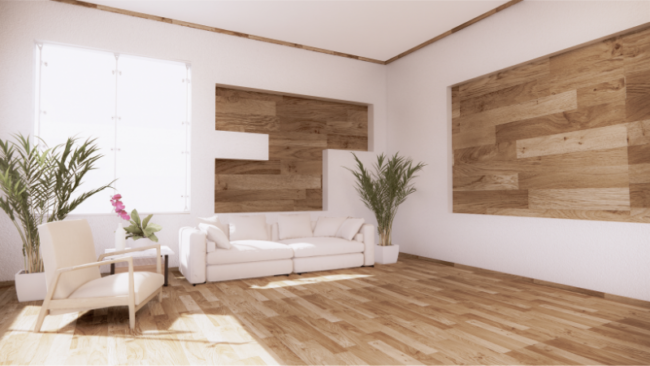
Homeowners today desire aesthetics that reflect their personal style while ensuring practicality. Waterproof flooring options come in various designs that replicate the look of natural materials like wood and stone. This allows for seamless integration into diverse bathroom decor styles, from modern to rustic.
Vinyl and laminate flooring products, in particular, have made significant advances in realistic design, making them popular choices. Homeowners can achieve the elegance of hardwood or the sophistication of stone without the associated maintenance concerns.
Frequently Asked Questions
Waterproof flooring offers significant advantages for bathrooms, addressing concerns related to moisture and durability. Readers may have specific inquiries about the different types of waterproof options available and their benefits, especially in relation to installation and cost.
How does vinyl waterproof flooring compare with other bathroom flooring options?
Vinyl waterproof flooring is a popular choice due to its resilience and straightforward maintenance. Compared to ceramic tiles, which can be cold and slippery, vinyl provides a softer surface that’s comfortable underfoot. Moreover, vinyl flooring is typically easier to install and offers a wider variety of design options, allowing homeowners to achieve the desired aesthetic without compromising on functionality.
What are the advantages of using waterproof bathroom flooring sheets?
Waterproof bathroom flooring sheets offer seamless installations that eliminate potential moisture traps found in tiled options. This feature reduces the risk of mould growth and makes for easier cleaning. Additionally, these sheets are often available in a range of patterns and colours, enabling users to customise their bathroom space while benefiting from a durable, moisture-resistant surface.
Can waterproof flooring be a cost-effective solution for bathroom renovations?
Investing in waterproof flooring can be a cost-effective decision for bathroom renovations. While the upfront costs may vary, the long-term savings on repairs and maintenance are substantial. Waterproof materials resist damage from water, leading to fewer replacements and less tension over time. This durability translates to a lower lifetime cost and potentially enhanced home value.
Related Posts:


Discover more from Emmy's Mummy
Subscribe to get the latest posts sent to your email.
