

**Collaborative post**
Staying abreast of technological advancements is essential for educators aiming to engage and empower their students. The integration of technology into lesson planning not only enhances the learning experience but also prepares students for the challenges of the digital age.
Before diving into the incorporation of technology, educators must understand the digital landscape and its impact on education. Today’s students are digital natives, comfortable with a variety of devices and platforms. Educators should approach the integration of technology with confidence and an open mind. Understandably, some teachers may feel apprehensive about incorporating new tools into their lessons, especially if they are not familiar with the latest technologies.
However, it’s essential to recognize that technology is not an all-or-nothing endeavour. Teachers can start small by incorporating simple digital elements into their lesson plans. For instance, using templates for tally charts and worksheets like these https://www.storyboardthat.com/create/tally-chart-worksheets from online platforms can be an accessible and effective entry point.
Setting Clear Learning Objectives
Innovative teaching begins with well-defined learning objectives. Before integrating technology, educators should identify the specific goals they aim to achieve through a lesson. Whether it’s improving critical thinking skills, fostering collaboration, or enhancing creativity, technology can be tailored to meet these objectives effectively.
Utilizing Educational Apps and Platforms
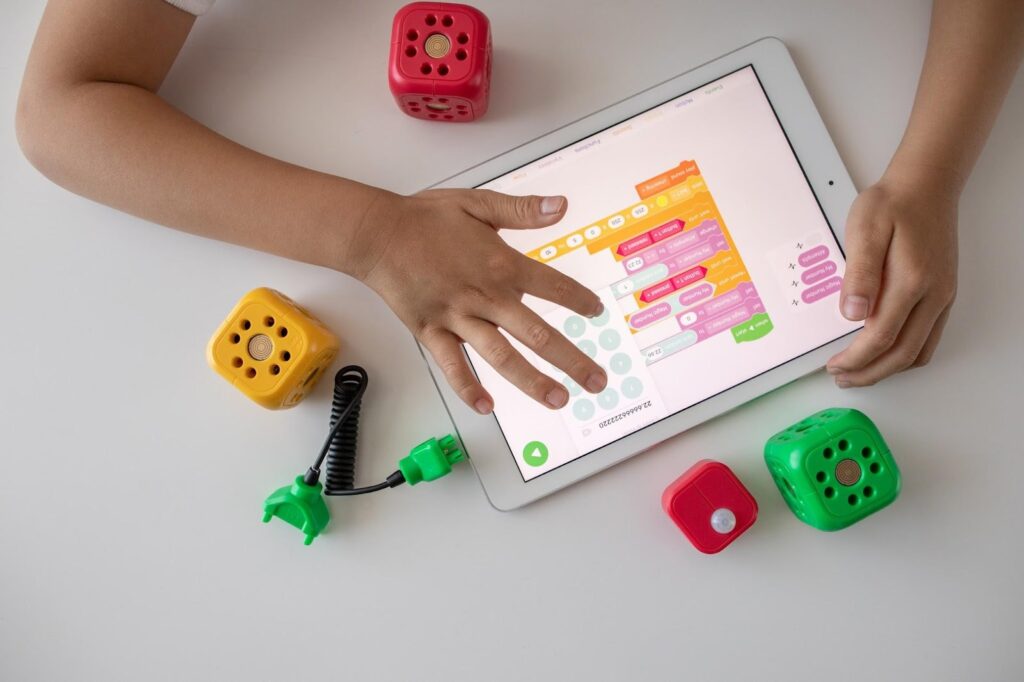
The abundance of educational apps and platforms provides a wealth of resources for educators. These tools cater to diverse learning styles from interactive quizzes to virtual simulations. These tools and platforms can transform traditional lesson plans into engaging, technology-infused experiences.
By combining different resources, educators can create a rich and immersive learning environment that captures students’ attention and enhances their understanding of the subject matter. This adaptability allows teachers to tailor their lessons to the unique needs and preferences of their students, fostering a dynamic and inclusive educational experience.
Embracing Multimedia Resources
Enhance lesson plans by incorporating multimedia resources. Videos, podcasts, and interactive presentations captivate students’ attention and cater to different learning preferences. Platforms like YouTube, TED-Ed, and National Geographic Education offer a plethora of educational content that can be seamlessly integrated into lesson plans.
Fostering Collaborative Learning
Technology facilitates collaborative learning, breaking down the traditional barriers of the classroom. Platforms like Microsoft Teams, Zoom, or Google Workspace enable real-time collaboration, allowing students to work together regardless of their physical location. Incorporating collaborative tools into lesson plans promotes teamwork, communication, and problem-solving skills.
Personalising Learning Experiences
One size does not fit all in education. Technology allows educators to personalize learning experiences, catering to individual student needs. Adaptive learning platforms, such as Khan Academy or DreamBox, provide customized lessons based on student’s progress and abilities, ensuring that every learner receives the support they require.
Gamification for Engagement
Integrating elements of gamification into lesson plans can significantly boost student engagement. Gamified elements, such as points, levels, and rewards, motivate students and make learning more enjoyable.
For example, a language arts teacher might introduce a vocabulary-building app that turns word mastery into a game, rewarding students with points and unlocking new levels as they progress. This not only reinforces language skills but also instils a sense of achievement.
Similarly, a math teacher could implement a digital math game where students earn points for solving problems correctly and advance through different levels of difficulty. The competitive aspect and the potential for earning rewards create an environment that encourages friendly competition and collaborative problem-solving.
Encouraging Digital Literacy
In the digital age, being literate goes beyond reading and writing. Educators must emphasize digital literacy skills, teaching students how to critically assess online information, navigate digital tools, and practice responsible online behaviour. Lessons on media literacy, online research, and digital citizenship are integral to a well-rounded education.
Staying Adaptable and Open to Feedback
The integration of technology into lesson plans requires a willingness to adapt and learn. Educators should stay updated on emerging technologies, attend professional development workshops, and seek feedback from students. An open dialogue with students about their preferences and experiences with technology can inform continuous improvement in teaching methods.
In Conclusion
Innovative teaching in the digital age is not about replacing traditional methods but about enhancing them to meet the evolving needs of students. Integrating technology into lesson planning offers a myriad of opportunities to engage, inspire, and empower learners. Staying adaptable and open to feedback ensures that educators remain at the forefront of innovative teaching practices, ultimately fostering a love for learning in their students.

Related Posts:


Discover more from Emmy's Mummy
Subscribe to get the latest posts sent to your email.
