
**Collaborative post**
In an era overwhelmed by instantaneous digital communication, the charm of receiving a personalised letter in the mail is undeniable, especially for kids. The creativity and thoughtfulness infused into each custom piece of correspondence can ignite excitement and a sense of wonder in children. Receiving a letter addressed specifically to them can make kids feel acknowledged and loved, creating a memorable experience that often becomes a cherished keepsake. In this article, we’ll explore the many facets of this delightful tradition and its positive effects on young minds.
Sparking Joy in Children With Customised Correspondence
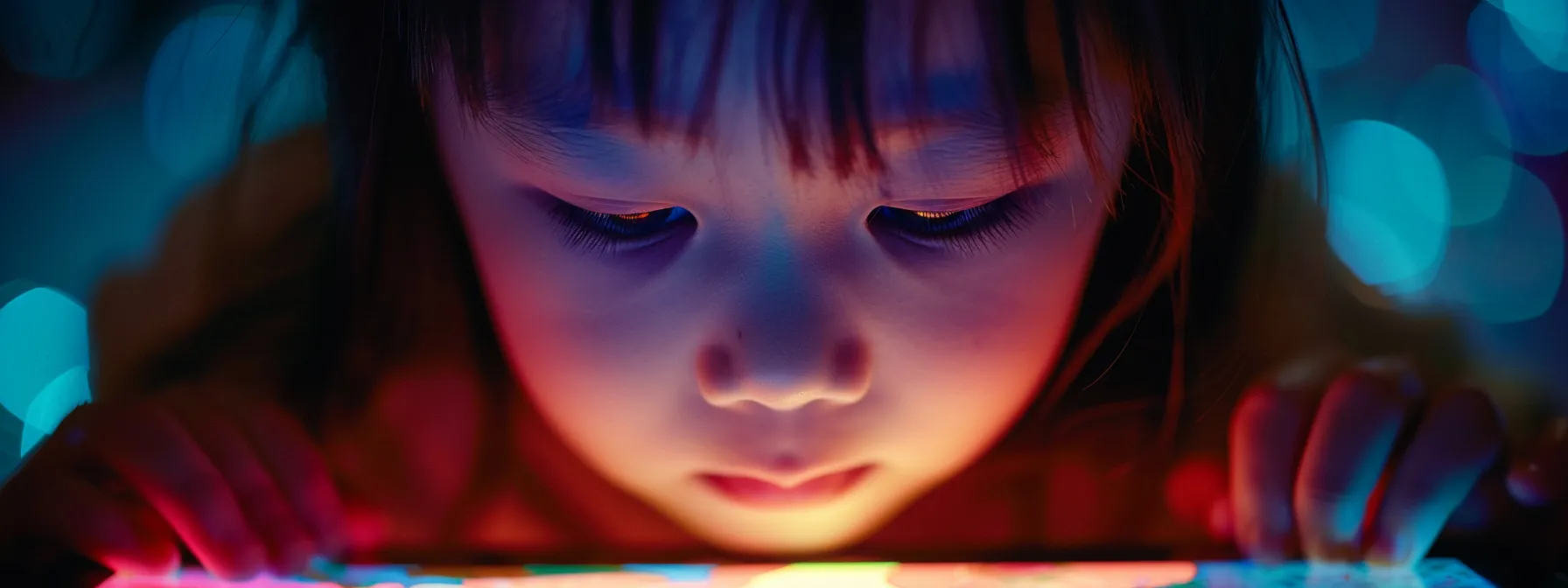
Customised correspondence has a singular way of sparking joy in children. It is not just about the words on paper; it’s the whole experience: the colourful stamps, the distinctive handwriting, and the excitement of finding something in the mailbox. When a child feels that a letter is crafted just for them, it can enhance their sense of importance and self-esteem. A simple message can convey to a child that they are worth the time and effort it takes to send a personalised letter.
When children engage with personalised correspondence, they dive into a more thoughtful and reflective form of communication. As they read the letter, their cognitive and emotional skills are engaged, helping them to understand complex feelings and thoughts. For parents and educators looking to promote literacy, this can serve as an excellent method to foster a love for reading and storytelling in a very personal way.
Receiving regular personalised letters can become a meaningful tradition in a child’s life. The periodic arrival of a kids subscription mail, for example, gives them something to look forward to and depend on. This positive reinforcement can create a sense of comfort and excitement that transcends the temporary nature of many of today’s entertainments.
The Impact of Personalised Mail on Child Development
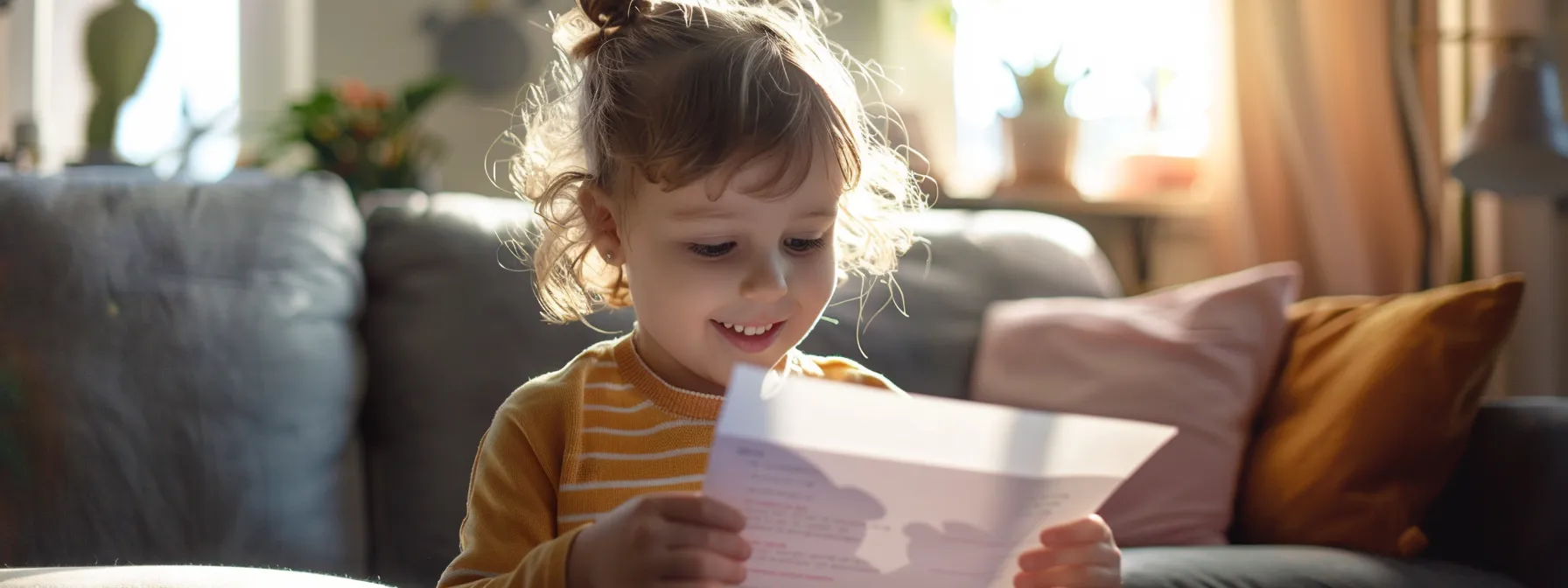
Personalised mail can have a significant impact on various aspects of child development, from literacy to emotional intelligence. Beginning with the very basic excitement of recognizing one’s own name in print, children encounter a hands-on learning experience. It promotes understanding of the written word, encourages comprehension and vocabulary growth, and can even inspire children to pen their own letters in return.
Moreover, tailored correspondence allows for emotional nourishment and connectedness, especially when the sender expresses love, encouragement, or shared memories. For some children, a letter can be a source of comfort during challenging times or a reminder that they have a support network. It’s an invitation to express their feelings, ask questions, and engage in a meaningful conversation on paper.
Crafting the Perfect Personalised Letter for Your Little One
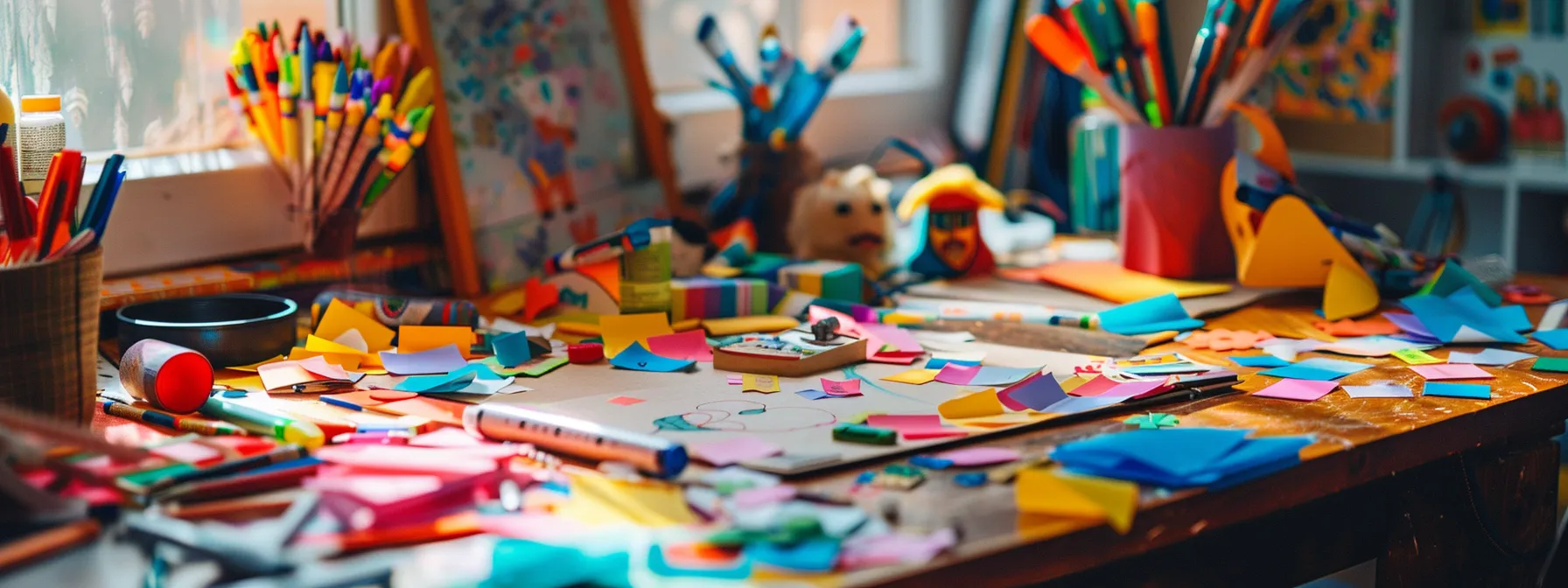
Crafting the perfect personalised letter for a child starts with knowing their interests and what excites them. It might include references to their hobbies, words of praise for recent achievements, or assurances of love and affection. When writing to a child, the tone should be warm and engaging to captivate their interest and evoke happy emotions. Keeping the language simple yet vibrant encourages children to understand and connect with the message.
The aesthetics of a letter also hold great significance. Using colourful paper, stickers, and an imaginative presentation can turn a letter into a visual and tactile delight. Children are often drawn to items that feel playful and vibrant, so incorporating a sense of fun into the letter’s design will enhance its appeal and make the experience of receiving it even more special.
Keeping the Art of Letter Writing Alive for Future Generations
As society advances, the art of letter writing risks becoming a relic of the past. It’s incumbent upon today’s parents and educators to keep this tradition alive for future generations. Introducing children to the joys of personalised letters can instil in them a lifelong appreciation for this form of communication. It’s about preserving an art that fosters connection, creativity, and literacy, providing a counterbalance to the ephemeral nature of digital messages.
To encourage this practice, adults can set up letter-writing stations in homes and classrooms, complete with stationery, stamps, and pens. Children can be invited to send letters to family members, friends, or even to fictional characters. By turning it into a shared family activity or a classroom project, the importance and enjoyment of letter writing can be highlighted in a fun and educational setting.
Overall, personalised letters offer a unique combination of joy, education, and personal growth opportunities for children. As they marvel at the magic of receiving customised correspondence, they also develop literacy skills, emotional intelligence, and a broader understanding of the world. By valuing and continuing the tradition of letter writing, we give the next generation a timeless gift: the lasting enchantment of a personal touch in an increasingly impersonal world.

Related Posts:



Discover more from Emmy's Mummy
Subscribe to get the latest posts sent to your email.
