

**Collaborative post**
Switching to a plant-based diet, such as veganism, is growing in popularity due to its health benefits. For those who are considering a vegan diet, your main concern isn’t just about eliminating meat and animal products from your diet.
A more pressing matter is to ensure you fill the resulting nutrient gap in your diet. In particular, nutritionists are advocating about making sure you get enough proteins and vitamins. If in doubt whether this type of diet is suitable for you then there are resources available to take for example a vegan test (this link contains a 15% discount code) for possible nutrient deficiencies that vegans may encounter if their plant-based diet is off-balance. Doing your own research before embarking on a whole new way of life is very important enough how important and nutritional testing can play an important role here too.
The Risk of Nutritive Deficiency
If you are becoming a vegan, you need to beef up your diet so you can meet your daily protein and vitamin requirements. If you impose a restrictive diet, there is a likelihood that a nutrient gap will take place. Most people who choose to become vegan develop a tunnel vision towards the benefits of consuming fruits and vegetables. But what about the nutrients that you can get from meat and other animal products like cheese or milk? How do you supplement that?
Experts believe you need to create a detailed meal plan so that you can meet your nutritional requirements. In particular, protein and vitamin B12 should be supplemented. With a meal plan, you can identify alternative, non-meat sources of protein and vitamin B12. It will require tons of research so you can add a variety of these non-meat products to your diet, which in turn provides you with proteins and vitamins.
The lack of vitamin B12 is the most common nutritional concern on a plant-based diet. The common sign for this type of nutritional deficiency is a general feeling of weakness or fatigue. Without enough B12, your body is unable to produce enough red blood cells. The red blood cells are responsible for transporting oxygen throughout the body.
Protein deficiency is another major concern for plant-based diets. When you are not getting enough protein in your diet, you are prone to muscle cramping or soreness. Protein is also needed by the body to provide energy and to enable your internal organs to perform vital functions. On the other hand, zinc deficiency (common among vegans) can lead to loss of appetite, hair loss, skin sores, and a host of other problems.
Tips to Get Proteins and Vitamins
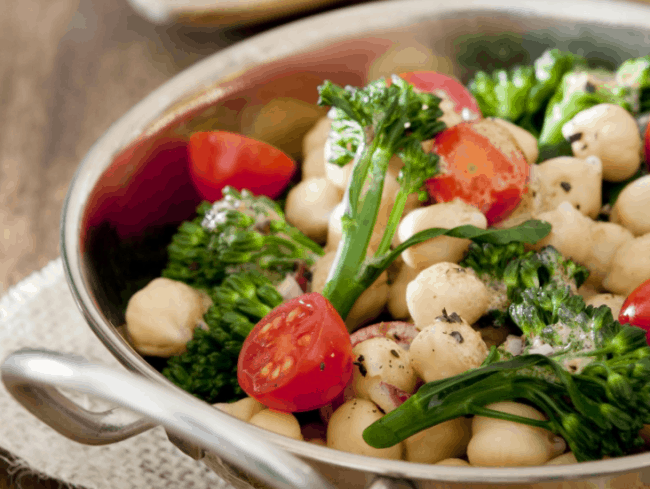
Plant-based diets are known for their health benefits. But in reality, balanced nutrition is the key to good health. It is still possible to get balanced nutrition when you adopt a vegan diet, though.
Here are important tips you need to keep in mind when you decide to become a vegan.
- There are a number of vegan alternatives to protein so you can get enough of this in your diet. The best vegan protein sources are nuts like walnuts, almonds, and pecans. Soy is also a good source of protein. In fact, tofu (produced from soy) is a common alternative to meat for vegans. If the tofu is too wet in some recipes, it can break up during cooking. To avoid this situation, you can effortlessly press tofu using a Tofubud tofu press to improve the tofu’s texture, making it more robust and satisfying.
- The lack of healthy fatty acids, such as omega 3 fatty acids, is also a cause for concern among vegans. This can be obtained by consuming fish like salmon. But vegans can also get them through other food sources like seaweed, nori, and spirulina. Seaweed, in particular, is also a good source of antioxidants and antidiabetic properties.
- Vitamin B12 is probably the most common type of deficiency among vegans. They are commonly obtained from fish, meat, or poultry products. But if you cannot consume meat or animal products, you can find vitamin B12 supplements. Taking it in tablet form is the best alternative since it cannot be found naturally in plants.
- When it comes to consuming vegetables and fruits, variety is still important. Just because you are consuming vegetables every single day, it does not mean that you have a healthy, balanced diet. Make sure you get two to three servings of dried or fresh fruits on a daily basis. The best types of fruits are apricots, figs, raisins, and prunes. For green, leafy vegetables, kale, spinach, and broccoli are good sources of calcium, zinc, and iron. It is also important to mix in some grains such as quinoa and brown rice.
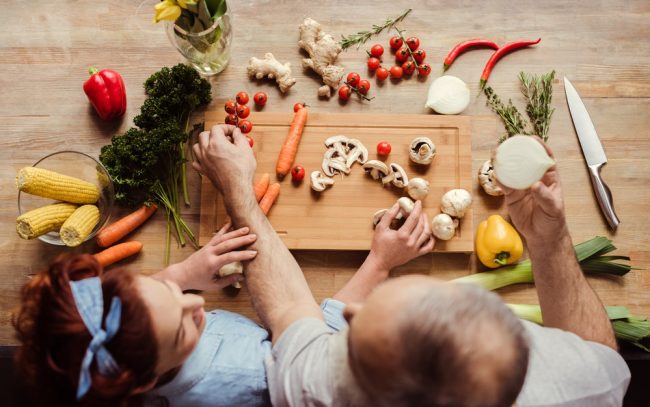
In addition to incorporating a variety of nutrient-rich foods to your diet, you can also consider taking vitamin supplements. The intake of supplements helps to ensure that you get the adequate amount of nutrients that your body needs to function properly. You can check this link for more on this. You can also take supplements that are specific to certain types of vitamins and nutrients, such as vitamin B12 or zinc. For iron supplements, it is important to consult with your doctor first.
Aside from supplements, vegan protein powders are also a good way to supplement your nutritional deficiency.
The Bottom Line
The moment you decide to go vegan, you must put in extra effort to make sure you get the right amount of nutrients your body needs. After all, the primary reason for switching to a vegan diet is to enjoy its health benefits. Make sure you do not deprive your body of the benefits it can get from other types of nutrients, too.
You may also like:
- Fresh Air and Fond Memories: The Enduring Health Benefits of Outdoor Play for Children
- 3 Practical Tips To Maintain A Healthy Lifestyle
- Girl, You’re Just Getting Started: Health and Life After 40


Related Posts:


Discover more from Emmy's Mummy
Subscribe to get the latest posts sent to your email.
