
**Collaborative post**
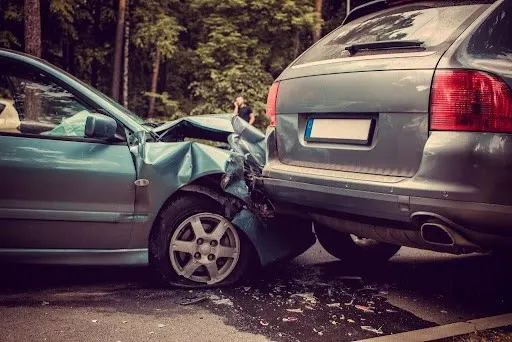
The high frequency of rear-end collisions makes them a significant contributor to car accident injuries, damages, and even fatalities. These are a type of accident that occurs when one vehicle collides with the rear-end of another vehicle.
After a rear-end car accident, victims have a myriad of actions to take, the key among them being seeking medical attention and filing a lawsuit to seek compensation. To reduce the occurrence of rear-end accidents and improve road safety, it is essential to understand their dynamics. This article looks at the causes of rear-end accidents, their consequences, and preventive measures.
Causes of Rear-End Collisions
Below are some of the leading causes of rear-end collisions:
- Tailgating
This is the act of a driver following the vehicle in front of them too closely. In the event that the vehicle in front stops suddenly, the tailgating driver has little time to react. This eventually leads to a rear-end collision. In many jurisdictions, there is a defined minimum distance between vehicles that drivers have to maintain, rendering tailgating a traffic violation.
- Speeding
When driving at a high speed, the driver’s ability to react and stop when a vehicle in front suddenly stops reduces. This is because the distance required to come to a complete stop increases with an increase in the speed of the vehicle. An increase in the required distance for a complete stop leads to an increase in the risk of rear-end collisions.
- Distractions During Driving
Different types of distractions when driving divert the attention of the driver from the road ahead. Some of the common distractions include:
- Talking on phone
- Texting
- Eating
- Adjusting the radio volume
When any of these distractions occur while driving, even momentarily, drivers are more likely to collide with the vehicle in front, leading to a rear-end car accident.
- Unfavourable Weather Conditions
Drivers’ visibility and their ability to suddenly stop are reduced in adverse weather conditions such as fog, rain, mist, and snow. The likelihood of skidding also increases in these conditions, which consequently increases the risk of rear-end collisions.
- Mechanical failure
Top on the list of mechanical failures that increase the risk of rear-end collisions are malfunctioning of the brakes and worn-out tires. The presence of any of these two failures compromises the ability of the vehicle to stop when the other vehicle in front suddenly stops.
Consequences of Rear-End Collisions
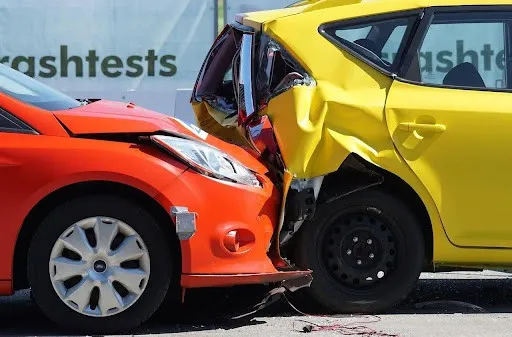
The consequences of rear-end accidents vary significantly depending on the impact of the collision, which depends on the speed, and size of the vehicles, among other factors. Here are some of the common consequences of rear-end collisions:
1.) Personal Injury and Psychological Impact
Victims of rear-end collisions suffer from a wide range of injuries, which could be mild or, at times, severe, requiring emergency medical attention. Some of the common forms of injuries that result from rear-end collisions include back injuries, head injuries, and neck injuries. Apart from these physical injuries, victims of rear-end accidents suffer from psychological trauma. Long after healing from physical injuries, fear of driving may continue to haunt victims of rear-end collisions.
2.) Property Damage
Significant damage to vehicles is another common result of rear-end collisions. For instance, cars involved in an accident will end up having their frames bent, their taillights shattered, and their bumpers crumpled, among other damages. Repairing these damages after an accident is always a costly initiative.
3.) Legal Consequences
Rear-end collisions result in several legal consequences, especially on the part at fault. For example, if cases of reckless driving are proven, the party at fault may face fines, imprisonment, and suspension of license, among other legal ramifications. In addition to these, legal lawsuits seeking to have the victim(s) compensated for the damages or injuries sustained are another common legal consequence of rear-end accidents.
Preventive Measures
Drivers can reduce rear-end collisions and improve road safety in general by doing the following key things:
- Maintaining a safe distance between their vehicle and those in front
- Avoiding or minimising distractions while driving
- Obeying speed limits and driving slowly during adverse weather conditions
- Routinely inspecting and maintaining the vehicles
Let’s build a safer society together!

Related Posts:


Discover more from Emmy's Mummy
Subscribe to get the latest posts sent to your email.
