
**Collaborative post**
Autism, also known as an autism spectrum disorder (ASD), is a neurodevelopmental disorder that causes a broad ‘spectrum’ of social and behavioural impairments. It affects millions of people in the US alone, and the wide range of its effects makes it difficult to diagnose accurately.
If you’re worried that your child may be displaying signs of autism, all sorts of questions begin to crop up, like why didn’t I catch this sooner? Is there an autism center near me? Where do we go from here?
Catching autism early can make all the difference in a child’s quality of life, and knowing its signs is the first step in avoiding overwhelming stress and undue trauma for both you and your child.
To give you a better idea of important warning signs, we’ve put together five categories of the most common indicators of autism. If your child displays any of the symptoms outlined below, consult a medical expert who can provide a professional opinion.
5. Problems with social communication
The first signs of ASD can be observed from as early as six months old. At this stage of development, children who struggle to display warmth or joy should be monitored carefully. By the time your child is nine months old, they should be able to share in the exchange of verbal sounds and facial expressions.
Other behaviours to look out for include lack of response to name, no attempts to communicate, and the absence of meaningful gestures. Of all the signs of autism, these are the earliest and easiest to notice. If your child displays any of these symptoms, share your concerns with their paediatrician immediately.
Compared to infants, older children display more varied symptoms, making it harder to assess the root cause of the issue. The three most significant indicators in adolescents are distinct difficulty with processing emotions, unconventional speech patterns, and difficulty communicating needs or desires.
4. Delayed development of interaction skills
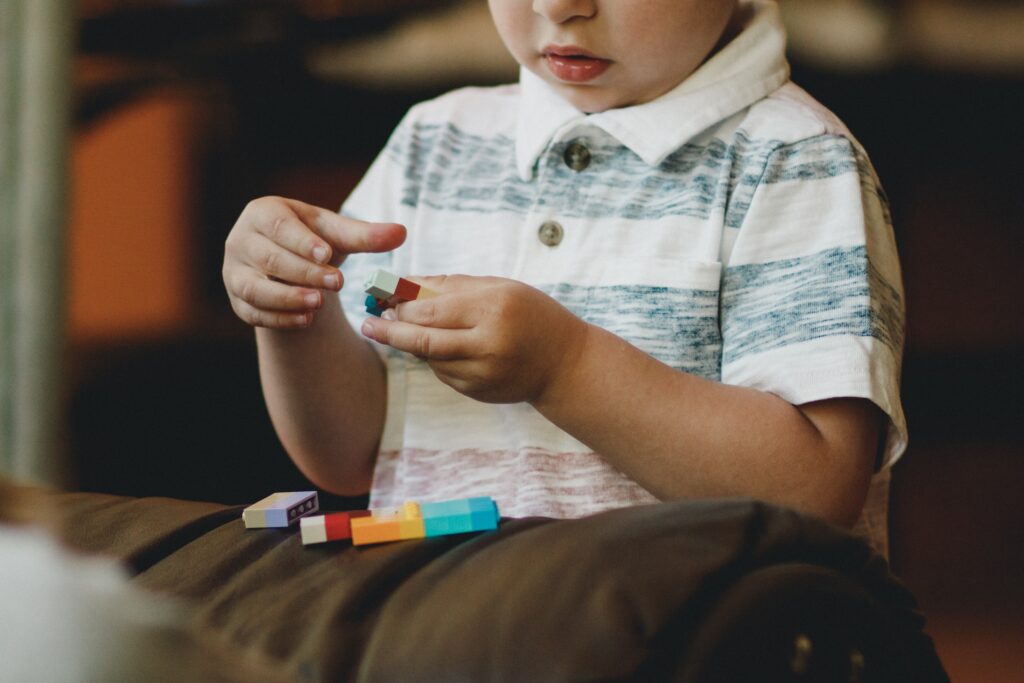
A healthy desire to interact with objects and others is critical to the optimal development of all human beings. Games and puzzles provide near-endless entertainment for children, and a lack of desire to engage in these activities is one of the most reliable warning signs of autism.
Does your child prefer to be in their own company? If so, do they play the same games repetitively? Do they get upset when their routine is disrupted, or react in an unforeseen way when you add a new element to their playtime? They could just be shy or reserved, but early displays of these behaviours can often lead to anti-social habits and control issues.
Preferring familiar routines and avoiding interaction with others are both characteristics of autism. The difficulty lies in being able to distinguish what constitutes autistic behaviour. As a general rule, any extremes in behaviour are problematic, but a little late development in any particular area isn’t a guarantee of autism.
3. Repetitive behaviour
You may have noticed by now that repetition is one of the biggest signifiers that your child could be dealing with ASD. Repetitive tendencies can manifest in several ways, and the only piece of advice worth sharing is that you should always err on the side of caution.
Children who prefer routine by nature can be frustratingly inflexible, but it’s the fear of novel experiences that causes the underlying issue. Individuals on the spectrum adhere to obsessive routines because of this fear, making it incredibly important to provide a safe and nurturing environment.
Some signs appear later than others, such as an intense focus on a narrow set of interests and performing the same actions over an extended period of time. These are indicative of serious issues with repetitive behaviour, and they can often lead to physiological issues like gastrointestinal problems, unusual eating habits, and even seizure disorders.

2. Restricted interests
Our habits define who we are and how others perceive us. When an individual is fixated on self-sustaining behaviours, they isolate themselves from others to satisfy their needs. This is a defining characteristic of ASD, and it’s one of the best ways to judge whether an individual is using unhealthy coping mechanisms.
By restricting their interests and controlling their environment, individuals coping with ASD reduce the likelihood of feeling overwhelmed. It’s important to understand that, no matter how dysfunctional it is, this is an attempt at self-preservation that protects your child when they’re feeling vulnerable.
When an autistic child feels threatened in any way, their reaction will often be disproportionate to the threat. For example, taking a toy away from a child can cause them to cry and perform, but most children won’t be upset for too long. If your child acts as if they genuinely believe the world is ending, the best thing you can do is take them seriously.
1. Sensitivity to external stimuli
Low or high sensitivities to sound are both common symptoms of autism. On the one extreme are kids who don’t react to noises or movements in their surroundings. The opposite end of the spectrum contains children who are extremely sensitive to external sound and changes in the physical environment.
Stressful situations cause these children to react entirely differently. High sensitivity leads to behaviours like screaming and running away, while low sensitivity causes children to ignore the outside world and shut themselves off from external stimulation.
From the child’s perspective, frustration at a world that doesn’t seem to understand them often leads to anger, or worse, violence. To prevent the worst of these behaviours from developing, gain familiarity with the stages of child development, and escalate your concerns as soon as you notice any of the signs and symptoms mentioned above.

Related Posts:




Discover more from Emmy's Mummy
Subscribe to get the latest posts sent to your email.
