
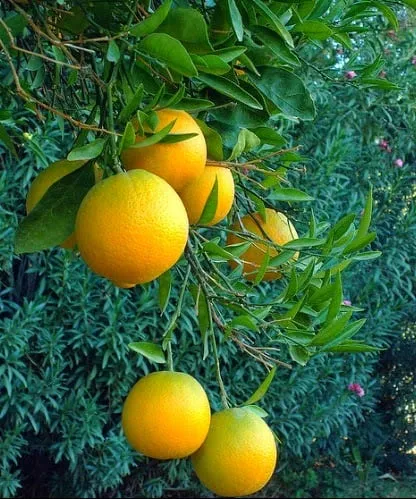
They
smell nice and they certainly taste nice – fruit is nature’s way of
feeding animals without the need for cooking or preparation. The new
gardener might fear that something as tasty and healthy can’t
possibly be easy to grow, but with due diligence even the least
confident grower can harvest a spectacular crop. Here are some useful
tips to fill your field with fabulous fruit.
Plan
ahead. It sounds obvious, but aim to grow fruit that you enjoy or
that can be used for cooking.
The
Royal Horticultural Society says: “Gardens are generally too
small and there’s usually not enough time to grow everything. So it
makes sense to grow your favourite fruit and those where freshness is
an important part of the appeal. Also take into account the ease of
growing and whether any special growing conditions are needed. And be
aware that some fruit, such as peaches, need a hot, sunny site to do
well.”
Check
if the fruits you like need sun or can tolerate shade, and whether
they can cope with direct heat. Peaches, for example, require a sunny
site to prosper, but growers will also no doubt have seen fruit trees
in hotter climates that enjoy growing against a sheltered,
south-facing wall. These can be trained into various shapes.
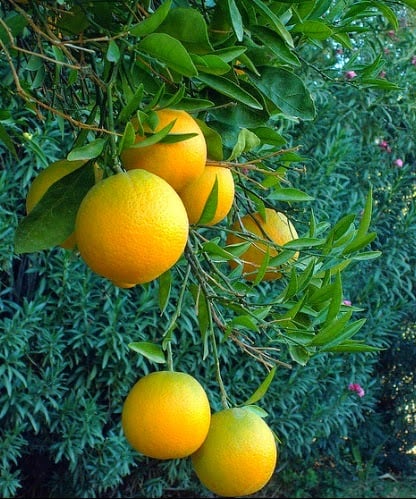 |
| Photo Credit: Flickr Cobalt123 |
Good,
well-prepared soil, bursting with organic matter, is paramount;
Agrarian
Organics
carries
some useful information on this. Most fruit grows better in acidic
soil, which is perhaps unsurprising when you consider fruit acid
levels. The ubiquitous blueberry definitely needs ericaceous (acidic)
soil, but once provided can grow on patios and fruit within three
years.
Keeping
the rootball of the young fruit tree moist is critical for survival,
but overwatering can cause the same problems as under watering.
Experts at The
Fruit Tree Foundation, a charity dedicated to planting edible,
fruitful trees and plants, say: “The rule of thumb for a fruit tree
throughout its life is to water deeply but infrequently. Keep your
soils moist but not saturated. Too much water or waterlogged soils
will displace oxygen that roots need for survival.”
Strawberries
are among the easier fruits to grow, mainly because they can be grown
anywhere from a convenient patch of soil to a bucket on your
windowsill. These sweet and juicy beauties will be ready in June and
July, are excellent sources of vitamin C, and look lovely.
are among the easier fruits to grow, mainly because they can be grown
anywhere from a convenient patch of soil to a bucket on your
windowsill. These sweet and juicy beauties will be ready in June and
July, are excellent sources of vitamin C, and look lovely.
Other traditional
favourites include raspberries, rhubarb, currants and apples. If you
fancy something a little more unusual, one trendy little fruit is
surprisingly easy to look after: Goji berries. Often described as a
‘superfood’, these are rich in nutrients, with a sweet liquorice
flavour. Thompson & Morgan rank them among their top 10 easiest
fruits to grow, saying they can thrive in: ‘almost any sunny
position – even windy, coastal areas. Add Goji berries to cereals and
juices for a delicious start to the day.’
Don’t
just ignore your trees once they have grown – keep them pruned but
make sure the branches can support the fruit. Buy a fertilizer loaded
with nitrogen, phosphorus and potassium and use it a couple of times
in spring, and once a month in summer. Check for pests and diseases,
but make sure you identify the problem before treating – take a
picture on your phone and show an expert if unsure. Finally, once a
fruit looks, feels and tastes right, get picking!
“Posted in collaboration with Agrarian Organics”


Related Posts:


Discover more from Emmy's Mummy
Subscribe to get the latest posts sent to your email.

We have only been brave enough to try growing strawberries!